

Can 400d oxford fabric be used in cold environments?
Oct 30, 2025
Leave a message
As a supplier of 400D Oxford fabric, I often receive inquiries from customers about the suitability of this fabric for various environments, especially cold ones. In this blog, I'll delve into the properties of 400D Oxford fabric and analyze whether it can be effectively used in cold - climate conditions.
Understanding 400D Oxford Fabric
First, let's understand what 400D Oxford fabric is. The "400D" refers to the denier of the fabric. Denier is a unit of measurement for the linear mass density of fibers, where a higher denier generally means thicker and stronger fibers. Oxford fabric is known for its durability, abrasion resistance, and relatively lightweight nature. It is commonly used in a wide range of products such as backpacks, tents, outdoor clothing, and luggage.
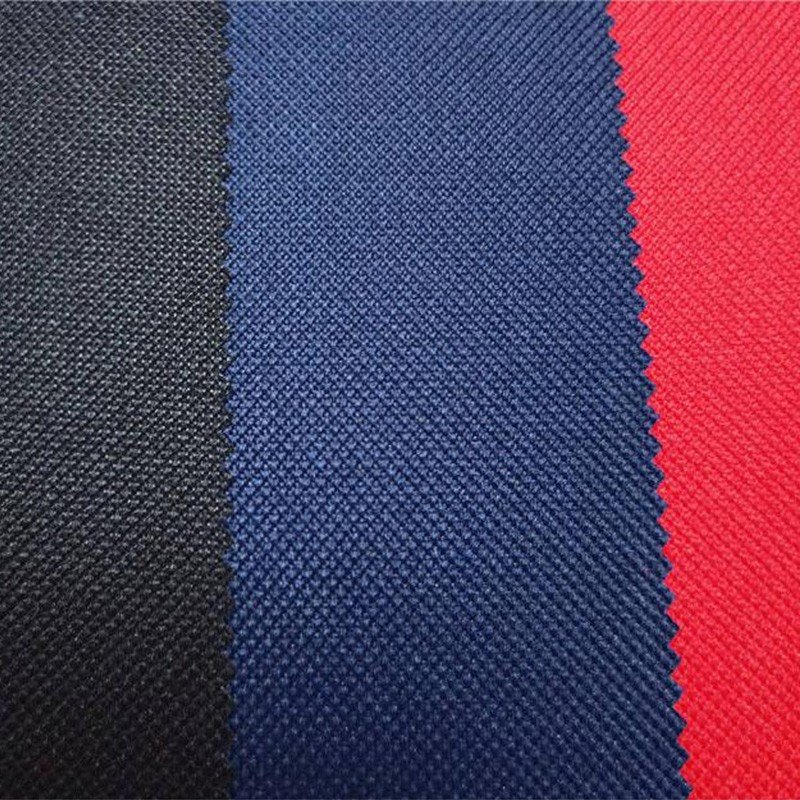
There are different variations of 400D Oxford fabric available. For instance, you can find 400D*400D Oxford Weave Fabric, which is characterized by its balanced weave structure, providing a good combination of strength and flexibility. Another type is 400D*250D Water Resistant Oxford Fabric, which has been treated to repel water, making it suitable for outdoor applications where moisture protection is required.
Key Properties Affecting Cold - Weather Use
Insulation
One of the primary concerns when using fabric in cold environments is its insulation properties. 400D Oxford fabric itself is not a highly insulating material. It is made mainly of polyester fibers, which do not have the natural insulating capabilities of materials like wool or down. Polyester fibers have a relatively low thermal resistance, meaning they do not trap air effectively to create a warm layer around the body or an enclosed space.
However, the insulation of a product made from 400D Oxford fabric can be improved through various means. For example, if it is used as an outer shell for a jacket or a tent, adding an insulating layer such as fleece, synthetic insulation, or down can significantly enhance the overall warmth. In the case of a tent, using a 400D Oxford fabric outer layer with a well - insulated inner liner can make it suitable for cold - weather camping.
Water Resistance
In cold environments, water can be a major problem. Moisture from snow, rain, or condensation can quickly reduce the effectiveness of any fabric and make the user feel cold. The 400D*250D Water Resistant Oxford Fabric is a great option in this regard. It has been treated with water - repellent coatings, which prevent water from soaking into the fabric.
This water resistance is crucial in cold weather. If the fabric gets wet, it can lose its structural integrity and also conduct heat away from the body more rapidly. A water - resistant 400D Oxford fabric can keep the user or the contents of a product dry, which is essential for maintaining warmth.
Durability
Cold environments can be harsh on materials. The low temperatures can make fabrics more brittle, and the presence of ice and snow can cause abrasion. 400D Oxford fabric is known for its durability. The relatively thick fibers and the tight weave structure make it resistant to tearing and abrasion.
Even in cold conditions, 400D Oxford fabric can withstand the wear and tear associated with outdoor activities. For example, a backpack made from 400D Oxford fabric can endure being dragged over icy ground or being rubbed against rough surfaces without easily getting damaged.
Applications in Cold Environments
Outdoor Clothing
400D Oxford fabric can be used in outdoor clothing, especially as an outer shell. For example, in ski jackets or snowmobile suits, it can provide a protective layer against wind, snow, and abrasion. When combined with appropriate insulation layers, it can keep the wearer warm and dry. However, it is important to note that for extremely cold conditions, additional features such as a wind - proof membrane may be required.
Tents
Tents made from 400D Oxford fabric can be suitable for cold - weather camping. The water - resistant version can protect against snow and rain, and the durability ensures that the tent can withstand the harsh conditions. The fabric's strength is important as it needs to hold up against strong winds and the weight of snow on the tent roof. However, proper ventilation is also crucial to prevent condensation inside the tent, which can lead to a damp and cold environment.
Backpacks
Backpacks made from 400D Oxford fabric are a popular choice for cold - weather hiking and camping. They can carry all the necessary gear and withstand the rigors of the cold environment. The fabric's abrasion resistance ensures that the backpack will not get damaged easily, even when it comes into contact with ice or rough terrain.
Limitations
While 400D Oxford fabric has many advantages for cold - weather use, it also has some limitations. As mentioned earlier, its insulation properties are relatively poor on its own. In extremely cold conditions, relying solely on 400D Oxford fabric for warmth may not be sufficient.

Another limitation is that the water - repellent coatings on the fabric may wear off over time, especially with frequent use and washing. This can reduce the fabric's water - resistance, which is crucial in cold environments.
Mitigating the Limitations
To overcome the insulation limitation, as already mentioned, adding an insulating layer is a practical solution. For the issue of water - repellent coating wear, regular re - treatment of the fabric with water - repellent sprays can help maintain its water - resistance.
Conclusion
In conclusion, 400D Oxford fabric can be used in cold environments, but with certain considerations. Its durability, water - resistance, and abrasion resistance make it a suitable choice for many cold - weather applications such as outdoor clothing, tents, and backpacks. However, its relatively poor insulation properties mean that it often needs to be combined with other materials to provide adequate warmth.
If you are interested in using 400D Oxford fabric for your cold - weather products, I encourage you to reach out to discuss your specific requirements. We can provide you with detailed information about our different types of 400D Oxford fabric, including 400D*400D Oxford Weave Fabric and 400D*250D Water Resistant Oxford Fabric. We can also offer guidance on how to optimize the fabric for your particular application.
References
- Textile Institute. "Handbook of Textile Fibres." Woodhead Publishing, 2011.
- Outdoor Industry Association. "Outdoor Gear Materials and Their Performance in Extreme Conditions." 2018 Report.
If you are interested in purchasing 400D Oxford fabric for your cold - weather projects, feel free to contact us to start a procurement discussion. We are committed to providing high - quality products and excellent service to meet your needs.