


Company Profile
Anhui Zijinghua New Materials Technology Co., Ltd., located in Susong County, Anhui Province, is a modern enterprise specializing in the research, development, production, and sales of 100% polyester oxford fabric. Its products, coated with PVC/PU/PE/TPU/TPE, are widely used in tool bags, luggage, tents, and other applications, and are recognized by renowned brands such as Samsonite, Johnson & Johnson, and Victorinox.
Choosing this company offers four core advantages: First, a comprehensive product range, primarily focusing on oxford fabric and leather, covering a wide range of applications; second, leading service. Leveraging years of industry experience, they have established a comprehensive production management, quality control, and sales service system. Customers can email their needs and receive prompt responses; third, advanced equipment, including 600 textile machines, four dyeing and printing lines, and multiple coating and printing lines, enables high daily production and fast delivery; fourth, comprehensive after-sales service, with dedicated staff available 24/7, ensuring immediate contact with any equipment issues.


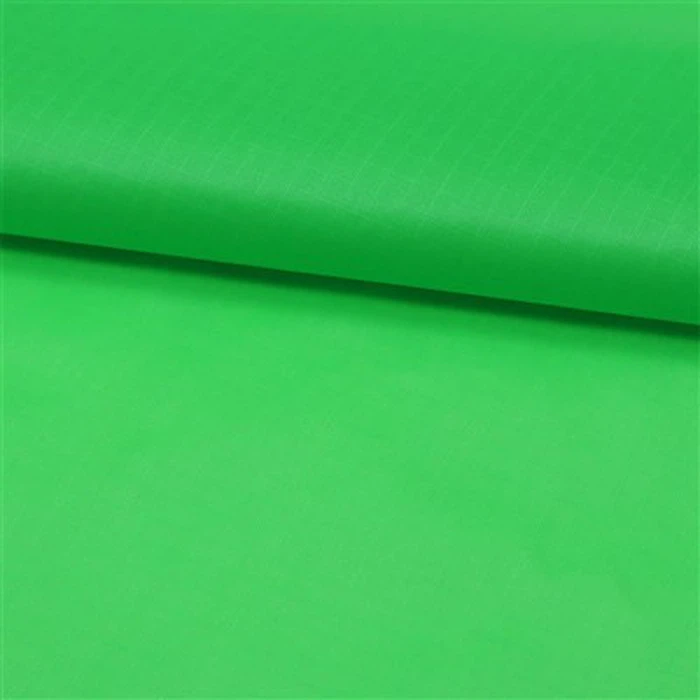
What is Polyester Ripstop Fabric?
Ripstop fabric is uniquely characterized by mixing reinforcement threads into the fabric’s weave. This creates a grid-like pattern. The threads are made of thicker and stronger fibers like nylon or polyester.
The fabric is highly resistant to tearing. If a tear occurs, the reinforcement threads help prevent it from spreading beyond the grid pattern. This unique feature provides enhanced durability and longevity. Thus, the fabric is a popular choice for rugged situations.
Benefits of Polyester Ripstop Fabric
Tear resistant: The most defining feature of ripstop fabric is its ability to resist tearing. The grid of thicker threads reinforces the fabric, preventing small rips from growing larger. Ripstop fabric is actually more tear resistant without any coating.
Lightweight: Despite its strength, ripstop fabric remains lightweight, making it ideal for applications where weight is a concern, such as in tents, parachutes, and lightweight jackets. Heavier weight ripstops can be produced.
Durable: Ripstop is known for its long-lasting performance, withstanding wear and tear in demanding conditions, making it suitable for both outdoor and industrial uses.
Versatile: Ripstop fabric is used in a wide range of products, from military uniforms and parachutes to everyday items like backpacks, jackets, and kites, due to its combination of lightweight durability and tear resistance.
Application of Polyester Ripstop Fabric
Outdoor gear
Ripstop is commonly used in outdoor gear, including backpacks, tents, and sleeping bags. Its features make it ideal for outdoor activities.
Military gear
The fabric is usually used in military and tactical gear due to its durability and tear resistance. It is used in uniforms, backpacks, vests, and other gear items designed for rugged environments.
Parachutes
Ripstop fabric’s ability to resist tearing is crucial in parachute production. It provides strength to ensure safe and controlled descents during skydiving and other airborne activities.
Sails and kites
Ripstop is also a popular choice for sails in boats, windsurfing, and kitesurfing. The fabric’s ability to withstand strong winds and handle the stress of tensioned lines is crucial in these uses.
Luggage and bags
The fabric’s resistance to abrasion and tearing makes it suitable for luggage, duffel bags, and backpacks. These products require durability to withstand rough handling and protect their contents.
Apparel
Ripstop fabric is also used in apparel, including shirts, shorts, pants, and jackets. It’s quick drying, breathability, and durability characteristics make it ideal for this kind of clothing.
How to Maintain Polyester Ripstop Fabric
Cleaning & washing
Check the label: Before cleaning your ripstop items, always check the manufacturer's care instructions on the label. These instructions will provide specific guidelines for washing, drying, and treating your ripstop fabric.
Use gentle detergents: When washing ripstop fabric, use mild, non-abrasive detergents free of bleach or fabric softeners. Harsh chemicals can damage the fabric's coatings and compromise its water and uv resistance.
Hand wash or use a gentle cycle: Hand washing is often the best method for cleaning ripstop fabric, as it minimizes the risk of damage. However, if you prefer machine washing, use the gentle cycle and place the item in a mesh laundry bag to protect it from snags and tears.
Avoid high heat: When drying your ripstop items, avoid using high heat settings, as they can weaken the fabric and cause it to shrink. Instead, air dry the items or use a low heat setting on your dryer.
Spot cleaning: For small stains or dirt, spot cleaning with a soft cloth and mild detergent can be an effective method. Gently dab the affected area without rubbing, as rubbing can damage the fabric.
Repairing tears and damage
Use adhesive patches: Adhesive fabric patches designed for ripstop fabric are an excellent way to repair small tears or holes. Simply clean the area around the damage, cut the patch to size, and apply it according to the manufacturer's instructions.
Sew the tear: For larger tears or areas where adhesive patches aren't suitable, sewing the tear with a similar thread can provide a more robust repair. Use a zigzag stitch to prevent fraying and reinforce the repair.
Consider professional repair services: If the damage is extensive or you're unsure how to repair it, consider seeking professional repair services from a local outdoor gear store or the manufacturer.
Storage best practices
Ensure items are clean and dry: Before storing your ripstop gear, make sure it's clean and completely dry to prevent mold and mildew growth.
Avoid direct sunlight: Store ripstop items in a cool, dry place away from direct sunlight, as prolonged exposure to uv rays can weaken the fabric and cause it to fade.
Avoid compression: While it may be tempting to compress your ripstop items to save space, doing so for extended periods can cause creases and damage the fabric's coatings. Instead, loosely fold or roll your items before storing them.
Use breathable storage bags: If you need to store your ripstop gear in a bag, opt for a breathable storage bag that allows air circulation to prevent moisture buildup.
Differences Between Nylon Ripstop and Polyester Ripstop?
There are a few differences you should consider before deciding which to use for your project:
●Nylon Ripstop absorbs more water and dries faster while polyester ripstop absorbs less water and dries slower.
●Nylon is also a more breathable fabric than polyester, making it ideal for use in warm weather. Polyester is a less breathable fabric than nylon, making it better suited for use in cooler weather.
●Nylon Ripstop is more costly, but it feels softer and more elastic. Polyester ripstop is both more durable and less expensive.
●Polyester Ripstop is more heat resistant than nylon.
●Polyester Ripstop is UV resistant and holds its colour far longer than nylon ripstop.


The Evolution of Ripstop
Historical development
Ripstop was initially developed during World War II as a material for military parachutes.
Its lightweight and strong properties made it ideal for this purpose. Over time, its use expanded beyond the military, gaining popularity in various civilian applications.
Technological advancements
With advancements in textile technology, ripstop fabrics have evolved significantly.
Today’s ripstop fabrics may include coatings or treatments for enhanced water resistance, UV protection, or flame retardancy, making them more versatile than ever.
Alternatives to Ripstop
When exploring options for durable fabrics, several alternatives to ripstop can meet your needs effectively. Twill weaves, for instance, offer different structural characteristics and durability, making them suitable for various applications where ripstop might not be ideal. If you're looking for something lightweight, consider polyester taffeta. This fabric is durable and works well for specific uses that don't require the unique properties of ripstop.
Another option is antistatic fabrics, which can be designed to mimic ripstop by integrating carbon fibers. These fabrics provide both durability and static protection, particularly in sensitive environments. If you're in need of a lightweight tarp, sil nylon is often preferred due to its slippery and waterproof nature, although it doesn't match the tear-resistant properties of ripstop.
Lastly, if you require a more robust material, PU coated nylon could be a great choice. While it is heavier, it offers greater durability than sil nylon, making it a viable alternative for demanding applications. By understanding these alternatives, you'll be better equipped to choose the right fabric for your project.
7 Tips for Sewing Ripstop Fabric
Make sure you are using a new, sharp Universal 70/10 Needle.
An all purpose polyester or nylon thread is great. Some people like to match the thread the the fabric. That is, when using lightweight nylon fabric, use a lightweight nylon thread. However, all purpose thread will work okay as well.
Slipping? Working with coated ripstop nylon, you may not experience too much slipping. However if you do, painters tape is quick and easy way to hold your seams in place so you don’t have to pin through your ripstop. A long running basting stitch on the edge can be a good last resort to manage slipping too!
Sew Straight. Use the grid lines on the ripstop to help sew straight. Sloppy sewing will be easy to notice if your seam looks crooked next to those straight woven lines in the fabric. Keep in mind ripstop typically stretches on the diagonal.
Use a new rotary cutter or sharp fabric scissors for clean straight edges. Once you cut out your pieces, it’s ideal to sew them up immediately. Leaving cut nylon lying around will cause your clean cut edges to get messy or frayed making the sewing more challenging.
Check your stitch length. If your stitch length is too small it will cause problems; it can weaken your seams by basically perforating a line down your fabric that will pull apart easily over time. It can also just make the fabric bunch up, so try for around 8-10 stitches per inch.
Reinforce those seams. If your project is going to be weight bearing, reinforce your seams with a topstich (felded seam). It will make your seams stronger and, if done well, will make the final project look much more professional.
Factors to Consider When Selecting Ripstop Fabric
When selecting ripstop fabric, there are three important factors to consider: fiber content, fabric weight and thread density, and fabric finishing.
Fiber content
Ripstop fabric is a specific weave, but the fiber content also plays a crucial role. Common options include 100% cotton, polyester/cotton blends, polyester/cotton/stretch blends, cotton/nylon blends, and cotton/nylon/stretch blends,100%Polyester. For the Australian workwear market, 100% cotton is often recommended due to its excellent breathability. Cotton allows for better airflow, keeping the wearer cool and comfortable in warmer conditions.
Fabric weight and yarn count, density
The fabric weight and thread density determine the fabric’s style and thickness. The weight should be chosen based on the specific requirements of the job and the climate in which the garments will be worn. For instance, lighter-weight fabrics around 155gsm are suitable for shirts and offer a more breathable and lightweight feel. On the other hand, heavier fabrics around 240gsm are more suitable for work pants or jackets that require extra durability and protection.
Fabric finishing
Depending on the specific needs of the work environment, certain fabric finishes may be necessary. For example, some workwear may require special treatments such as UPF50+ (sun protection), waterproofing, flame resistance, or resistance to acids and alkalis. These finishes enhance the fabric’s performance and provide added protection for the wearer.
Our Factory
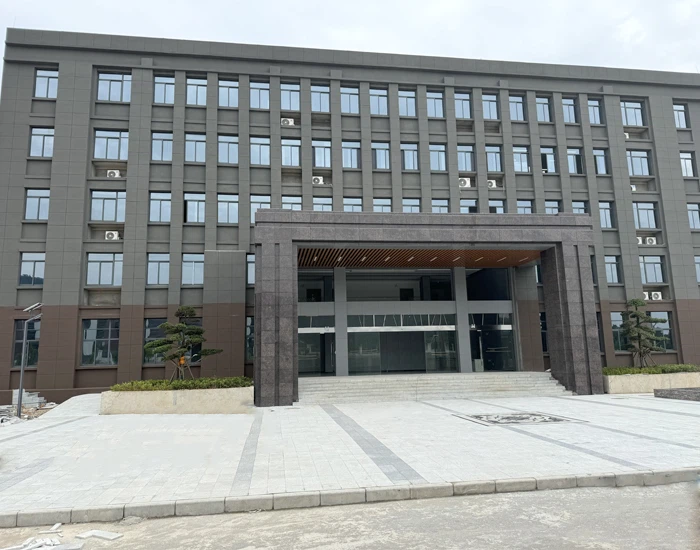
Anhui Redbud New Material Technology Co., Ltd located in Susong, Anhui Province. The company has complete set of excellent production equipment, advanced production technology and strict quality managing system.

FAQ
As one of the leading polyester ripstop fabric manufacturers and suppliers in China, we warmly welcome you to buy cheap polyester ripstop fabric from our factory. All customized products are with high quality and competitive price.
polyester ripstop fabric supplier, blouse polyester ripstop fabric, fashion design of polyester ripstop fabric