

What is the wind - resistance of oxford fabric?
Sep 22, 2025
Leave a message
As a seasoned supplier of Oxford fabric, I've encountered numerous inquiries regarding the wind - resistance of this remarkable material. In this blog, I'll delve into the intricacies of Oxford fabric's wind - resistance, exploring the factors that influence it and how it compares to other fabrics in the market.
Understanding Oxford Fabric
Oxford fabric is a well - known textile that has found its way into a wide range of applications, from outdoor gear to fashion items. It is typically made from either cotton or polyester, or a blend of both. The fabric is characterized by its basket - weave structure, which gives it a unique appearance and several practical properties.
Factors Affecting Wind - Resistance
Fabric Density
One of the most significant factors that determine the wind - resistance of Oxford fabric is its density. Higher density fabrics have more fibers packed closely together, which creates a more effective barrier against wind. For instance, a Factory Price 1000D PVC Polyester Oxford Fabric with a high denier count (in this case, 1000D) is likely to have better wind - resistance compared to a lower denier fabric. The "D" in denier refers to the weight in grams of 9000 meters of the fiber. A higher denier means thicker and more closely packed fibers, reducing the spaces through which wind can pass.

Coating
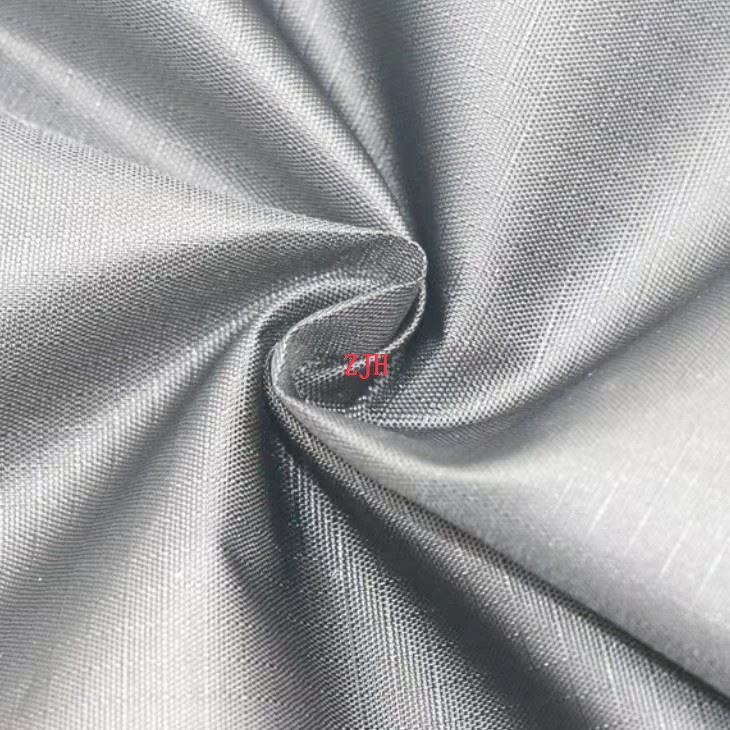
The type of coating applied to the Oxford fabric also plays a crucial role in its wind - resistance. Coatings such as PVC (polyvinyl chloride) and PU (polyurethane) can significantly enhance the fabric's ability to block wind. A China 200D Ripstop Fabric With PU Silver Coating has a PU silver coating that not only adds a reflective element but also seals the fabric pores, preventing wind penetration. The coating fills the gaps between the fibers, creating a continuous surface that wind has a harder time passing through.
Weave Structure
The basket - weave structure of Oxford fabric itself contributes to its wind - resistance. This weave pattern interlaces the yarns in a way that provides some natural resistance to wind. The criss - cross pattern of the fibers creates a labyrinth for the wind, forcing it to change direction multiple times as it tries to pass through the fabric. However, the effectiveness of the weave in terms of wind - resistance can be further enhanced when combined with high - density fibers and appropriate coatings.
Measuring Wind - Resistance
There are several methods to measure the wind - resistance of fabrics. One common approach is the air permeability test. In this test, a sample of the fabric is placed in a testing chamber, and air is forced through it at a specific pressure. The amount of air that passes through the fabric per unit time is measured. A lower air permeability value indicates better wind - resistance.
Another method involves using a wind tunnel. In a wind tunnel, the fabric is exposed to a controlled wind flow, and the pressure drop across the fabric is measured. This provides a more realistic assessment of how the fabric will perform in real - world windy conditions.
Applications and Wind - Resistance Requirements
Outdoor Apparel
For outdoor apparel such as windbreakers and jackets, high wind - resistance is essential. Consumers expect these garments to protect them from strong winds during activities like hiking, cycling, or skiing. Oxford fabric with appropriate coatings and high density is an ideal choice for such applications. Our Lining Fabric 190T Polyester With PU Coating can be used as a lining material in outdoor jackets, adding an extra layer of wind protection.
Tents and Awnings
Tents and awnings need to withstand various weather conditions, including strong winds. Oxford fabric's wind - resistance makes it a popular choice for these products. A high - quality, coated Oxford fabric can ensure that the tent remains stable and provides a wind - free environment inside. The wind - resistance of the fabric also contributes to the overall durability of the tent, as it reduces the stress on the structure caused by wind forces.
Sails
In the sailing industry, wind - resistance is of utmost importance. Sails need to be able to catch the wind effectively while also being able to withstand its force. Oxford fabric, with its appropriate density and coating, can be used in the construction of sails. The fabric's ability to resist wind helps in maintaining the shape of the sail and optimizing its performance on the water.
Comparing Oxford Fabric with Other Fabrics
When compared to other fabrics, Oxford fabric often has an edge in terms of wind - resistance. For example, compared to a simple cotton fabric, Oxford fabric's basket - weave structure and the possibility of coating make it more wind - resistant. Cotton fabrics typically have larger pores between the fibers, allowing more wind to pass through.
Nylon is another fabric commonly used in outdoor applications. While nylon can also have good wind - resistance, Oxford fabric can offer a more cost - effective solution in many cases. Additionally, the unique appearance and texture of Oxford fabric can be an added advantage in certain applications.
Conclusion
In conclusion, the wind - resistance of Oxford fabric is influenced by multiple factors, including fabric density, coating, and weave structure. Our range of Oxford fabrics, such as the Lining Fabric 190T Polyester With PU Coating, China 200D Ripstop Fabric With PU Silver Coating, and Factory Price 1000D PVC Polyester Oxford Fabric, are designed to meet different wind - resistance requirements for various applications.
If you're in the market for high - quality Oxford fabric with excellent wind - resistance, we'd love to hear from you. Whether you're a manufacturer of outdoor apparel, tents, or sails, our fabrics can provide the performance you need. Reach out to us to discuss your specific needs and start a fruitful procurement journey.
References
- ASTM D737 - 04(2019), Standard Test Method for Air Permeability of Textile Fabrics.
- Textile Institute, Handbook of Textile Testing and Quality Control.