

What is the sheen of 300d oxford fabric?
Jul 18, 2025
Leave a message
The sheen of 300D Oxford fabric is a multifaceted characteristic that combines both aesthetic and functional elements, making it a highly sought - after material in various industries. As a supplier of 300D Oxford fabric, I have witnessed firsthand the allure and practicality of this fabric, and I'm excited to share with you what gives it that distinctive sheen.
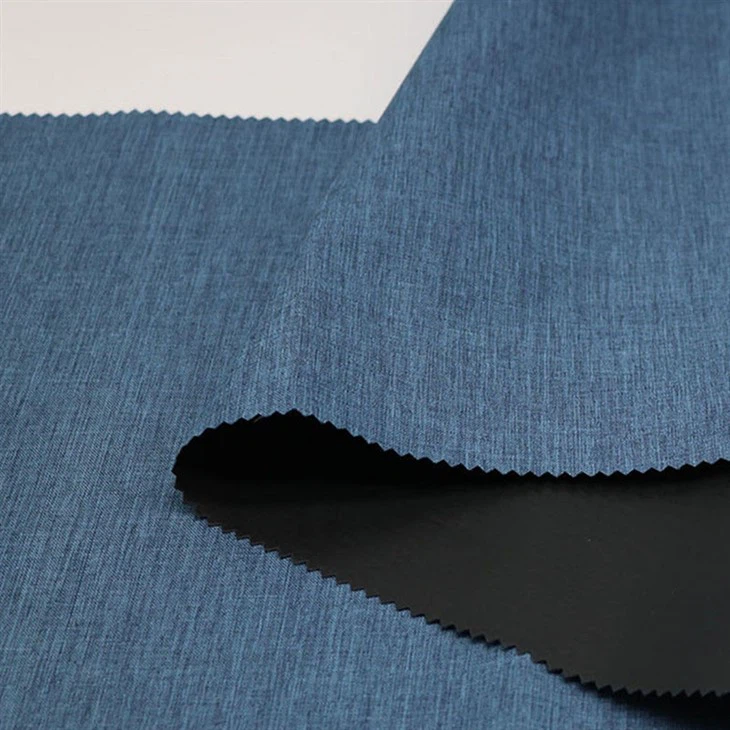

Understanding 300D Oxford Fabric
Before delving into the sheen, it's essential to understand what 300D Oxford fabric is. The "300D" refers to the denier of the fabric. Denier is a unit of measurement that indicates the fineness or coarseness of a fiber. In simple terms, a 300D fabric means that 9000 meters of the yarn used in the fabric weighs 300 grams. Oxford fabric, on the other hand, is a type of woven fabric known for its durability, softness, and versatility.
300D Oxford fabric is made from polyester or a blend of polyester and cotton. Polyester is a synthetic fiber that offers excellent strength, resistance to wrinkles, and moisture - wicking properties. Cotton, when blended, adds breathability and a more natural feel to the fabric. This combination results in a fabric that is suitable for a wide range of applications, from outdoor gear to fashion accessories.
The Sheen of 300D Oxford Fabric
The sheen of 300D Oxford fabric is primarily determined by three factors: the fiber type, the weaving process, and the finishing treatments.
Fiber Type
As mentioned earlier, polyester is a common material used in 300D Oxford fabric. Polyester fibers have a natural luster that contributes to the fabric's sheen. The smooth surface of polyester reflects light in a consistent manner, giving the fabric a shiny appearance. When compared to cotton, which has a more matte finish, polyester - based 300D Oxford fabric has a distinct advantage in terms of visual appeal.
Weaving Process
The weaving process also plays a crucial role in the sheen of 300D Oxford fabric. Oxford fabric is typically woven in a basket - weave pattern, where the warp and weft yarns cross over each other in a regular pattern. This pattern creates a smooth and even surface, which enhances the fabric's ability to reflect light. The tightness of the weave also affects the sheen. A tighter weave results in a smoother surface and a more pronounced sheen, while a looser weave may give the fabric a more subdued appearance.
Finishing Treatments
Finishing treatments are often applied to 300D Oxford fabric to enhance its properties and appearance. These treatments can include calendering, coating, and dyeing.
Calendering is a process where the fabric is passed through a series of heated rollers under high pressure. This process flattens the fibers and gives the fabric a smooth, glossy finish. Coating treatments, such as waterproof or water - repellent coatings, can also affect the sheen. A clear, thin coating can enhance the fabric's sheen by creating an additional smooth surface for light reflection.
Dyeing is another important factor. The type of dye used and the dyeing process can influence the fabric's sheen. Some dyes are formulated to enhance the fabric's natural luster, while others may give it a more matte finish.
Applications of 300D Oxford Fabric Based on Its Sheen
The sheen of 300D Oxford fabric makes it suitable for a variety of applications.
Outdoor Gear
In the outdoor gear industry, 300D Oxford fabric is widely used for making tents, backpacks, and sleeping bags. The fabric's sheen not only adds to its aesthetic appeal but also serves a functional purpose. The smooth surface created by the sheen can help repel water and dirt, making the gear more durable and easier to clean. For example, a tent made from 300D Oxford fabric with a high sheen will not only look good but also perform well in wet conditions.
Fashion Accessories
300D Oxford fabric is also popular in the fashion industry for making bags, wallets, and hats. The fabric's sheen gives these accessories a modern and stylish look. It can be used to create a range of styles, from sleek and minimalist to bold and colorful. For instance, a handbag made from 300D Imitation Linen Fabric For Computer Bags [/oxford - fabric/oxford - fabric - 300d/imitation - linen - fabric.html] with a subtle sheen can add a touch of elegance to any outfit.
Industrial Applications
In industrial applications, 300D Oxford fabric is used for making covers, tarps, and conveyor belts. The sheen of the fabric can help in identifying the product and also provides a degree of protection against abrasion and wear. A cover made from 300D Polyester Fabric [/oxford - fabric/oxford - fabric - 300d/300d - polyester - fabric.html] with a high sheen will be more visible in a warehouse setting and will last longer due to its smooth surface.
Sustainability and 300D Oxford Fabric
In recent years, there has been a growing demand for sustainable fabrics. As a supplier, we are committed to providing eco - friendly options. Our PET Recycled Waterproof Fabric [/oxford - fabric/oxford - fabric - 300d/recycled - waterproof - fabric.html] is made from recycled polyester, which not only reduces waste but also has a similar sheen and performance to traditional 300D Oxford fabric. This fabric is ideal for environmentally conscious consumers who still want the benefits of a shiny and durable fabric.
Conclusion
The sheen of 300D Oxford fabric is a result of a combination of fiber type, weaving process, and finishing treatments. It is a characteristic that not only enhances the fabric's aesthetic appeal but also contributes to its functionality in various applications. Whether you are in the outdoor gear, fashion, or industrial industry, 300D Oxford fabric offers a great balance of style and performance.
If you are interested in purchasing 300D Oxford fabric for your business or personal projects, we would be delighted to discuss your requirements. Our team of experts can help you choose the right fabric based on your specific needs, including the desired sheen level. Contact us to start a procurement discussion and discover the possibilities of our high - quality 300D Oxford fabric.
References
- Textile Institute. "Handbook of Textile Fibre Structure." Woodhead Publishing, 2018.
- Tortora, Phyllis G., and Keith A. Merkel. "Fairchild's Dictionary of Textiles." Fairchild Books, 2016.