

What is the moisture - absorption rate of 500d oxford fabric?
Sep 24, 2025
Leave a message
As a supplier of 500D Oxford fabric, I often get asked about its moisture - absorption rate. Understanding this characteristic is crucial for customers in various industries, from outdoor gear manufacturing to fashion. In this blog post, I'll delve into the science behind the moisture - absorption rate of 500D Oxford fabric, its implications, and how it compares to other materials.
What is 500D Oxford Fabric?
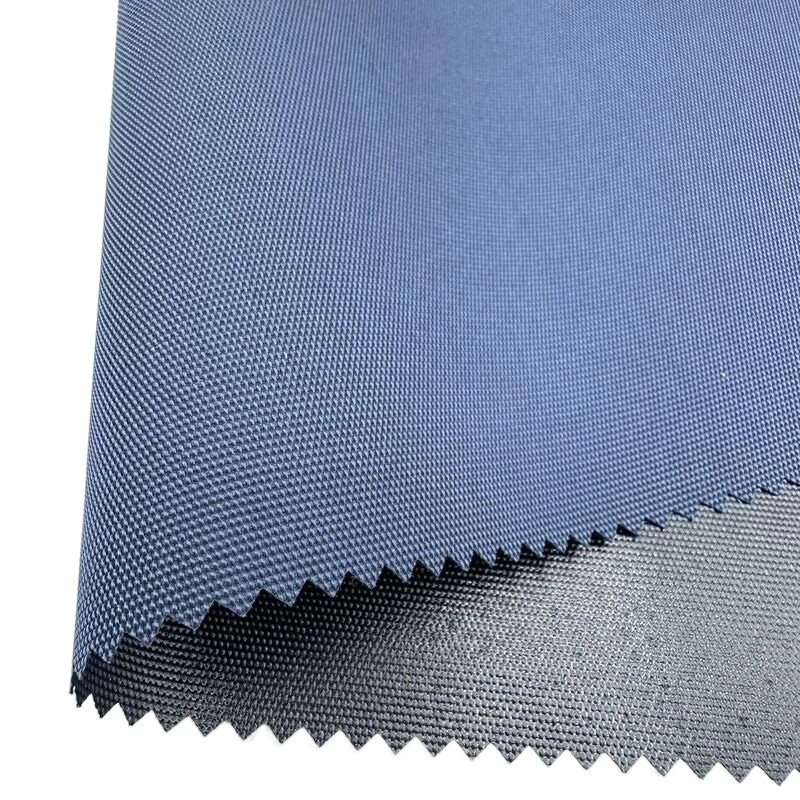
Before we discuss the moisture - absorption rate, let's briefly understand what 500D Oxford fabric is. The "500D" refers to the denier measurement, which is a unit used to express the linear mass density of fibers. A higher denier number generally means thicker and stronger fibers. 500D Oxford fabric is made of polyester fibers woven in an Oxford weave pattern, which gives it a balanced and stable structure. This fabric is known for its durability, abrasion resistance, and versatility. You can find more information about our 500D 100% Polyester Oxford Fabric and 500D Oxford Cloth (500D*500D) on our website.
The Science of Moisture Absorption
Moisture absorption is the ability of a material to take in and retain water. It is determined by several factors, including the chemical composition of the fibers, the fabric's structure, and the environmental conditions. For 500D Oxford fabric, which is primarily made of polyester, the moisture - absorption rate is relatively low compared to natural fibers like cotton or wool.
Polyester is a synthetic polymer that has a hydrophobic nature, meaning it repels water. The molecular structure of polyester does not have many sites where water molecules can attach. As a result, polyester fibers do not absorb water easily. In the case of 500D Oxford fabric, the tightly woven Oxford weave pattern further restricts the penetration of water into the fabric.
Measuring the Moisture - Absorption Rate
The moisture - absorption rate of a fabric is typically measured as a percentage. It is calculated by weighing a dry sample of the fabric, then exposing it to a controlled environment with a specific humidity level for a set period. After that, the fabric is re - weighed, and the increase in weight due to absorbed moisture is calculated as a percentage of the original dry weight.
For 500D Oxford fabric, the moisture - absorption rate is usually less than 1%. This low rate means that the fabric can quickly dry out after getting wet, which is a significant advantage in many applications. For example, in outdoor gear such as tents, backpacks, and raincoats, a low moisture - absorption rate helps prevent the growth of mold and mildew and reduces the overall weight of the gear when wet.
Implications of the Low Moisture - Absorption Rate
1. Quick Drying
As mentioned earlier, the low moisture - absorption rate of 500D Oxford fabric allows it to dry quickly. This is especially important in outdoor activities where the fabric may get wet from rain or sweat. Quick - drying fabric ensures that the user stays comfortable and reduces the risk of hypothermia in cold weather.
2. Resistance to Mold and Mildew
Since the fabric does not retain much moisture, it is less likely to develop mold and mildew. This is a crucial factor in applications where the fabric is exposed to damp environments for extended periods.
3. Lightweight
Even when wet, 500D Oxford fabric remains relatively lightweight because it does not absorb a large amount of water. This is beneficial for products like backpacks and camping equipment, where weight is a critical consideration.
Comparison with Other Fabrics
When compared to natural fibers like cotton, the difference in moisture - absorption rate is quite significant. Cotton has a moisture - absorption rate of around 7 - 8%, which means it can hold a large amount of water. While this high absorption rate can be beneficial in some applications, such as towels, it also means that cotton takes longer to dry and is more prone to mold and mildew growth.
In contrast, 500D Oxford fabric offers better performance in terms of quick drying and resistance to moisture - related issues. However, it may not be as breathable as cotton, which can be a drawback in some situations where ventilation is essential.
Applications of 500D Oxford Fabric Based on Its Moisture - Absorption Rate
1. Outdoor Gear
The low moisture - absorption rate makes 500D Oxford fabric an ideal choice for outdoor gear. Tents made from this fabric can withstand rain without becoming heavy and waterlogged. Backpacks are also commonly made from 500D Oxford fabric because it can keep the contents dry and is lightweight even when wet.
2. Automotive Upholstery
In the automotive industry, 500D Oxford fabric is used for seat covers and interior trim. The low moisture - absorption rate helps prevent the growth of unpleasant odors and stains caused by moisture.
3. Industrial Applications
In industrial settings, 500D Oxford fabric is used for protective covers and equipment bags. Its resistance to moisture and durability make it suitable for harsh environments.
Factors Affecting the Moisture - Absorption Rate of 500D Oxford Fabric
1. Finishes and Treatments
Fabric finishes and treatments can affect the moisture - absorption rate of 500D Oxford fabric. For example, a water - repellent finish can further reduce the fabric's ability to absorb moisture, while a hydrophilic treatment can increase it slightly.
2. Environmental Conditions
The humidity level and temperature of the environment can also influence the moisture - absorption rate. In a high - humidity environment, the fabric may absorb more moisture than in a dry environment.
Conclusion
The moisture - absorption rate of 500D Oxford fabric is a key characteristic that determines its performance in various applications. With a low rate of less than 1%, this fabric offers quick drying, resistance to mold and mildew, and lightweight properties. Whether you are in the outdoor gear industry, automotive manufacturing, or any other field that requires a durable and moisture - resistant fabric, 500D Oxford fabric is an excellent choice.
If you are interested in purchasing 500D Oxford fabric for your business, I encourage you to contact us for a detailed discussion. We can provide you with samples and technical specifications to help you make an informed decision.

References
- Textile Testing Manual, American Association of Textile Chemists and Colorists (AATCC)
- Handbook of Fibre Science and Technology, Volume 1: Fundamentals of Fibre Science, edited by Menachem Lewin and Eli M. Pearce