

Is 230 Twill Oxford environmentally friendly?
May 27, 2025
Leave a message
Hey there! As a supplier of 230 Twill Oxford, I often get asked if this fabric is environmentally friendly. It's a question that's on a lot of people's minds these days, what with all the talk about sustainability and eco - friendly products. So, let's dig into this topic and see if 230 Twill Oxford really makes the cut when it comes to being kind to our planet.
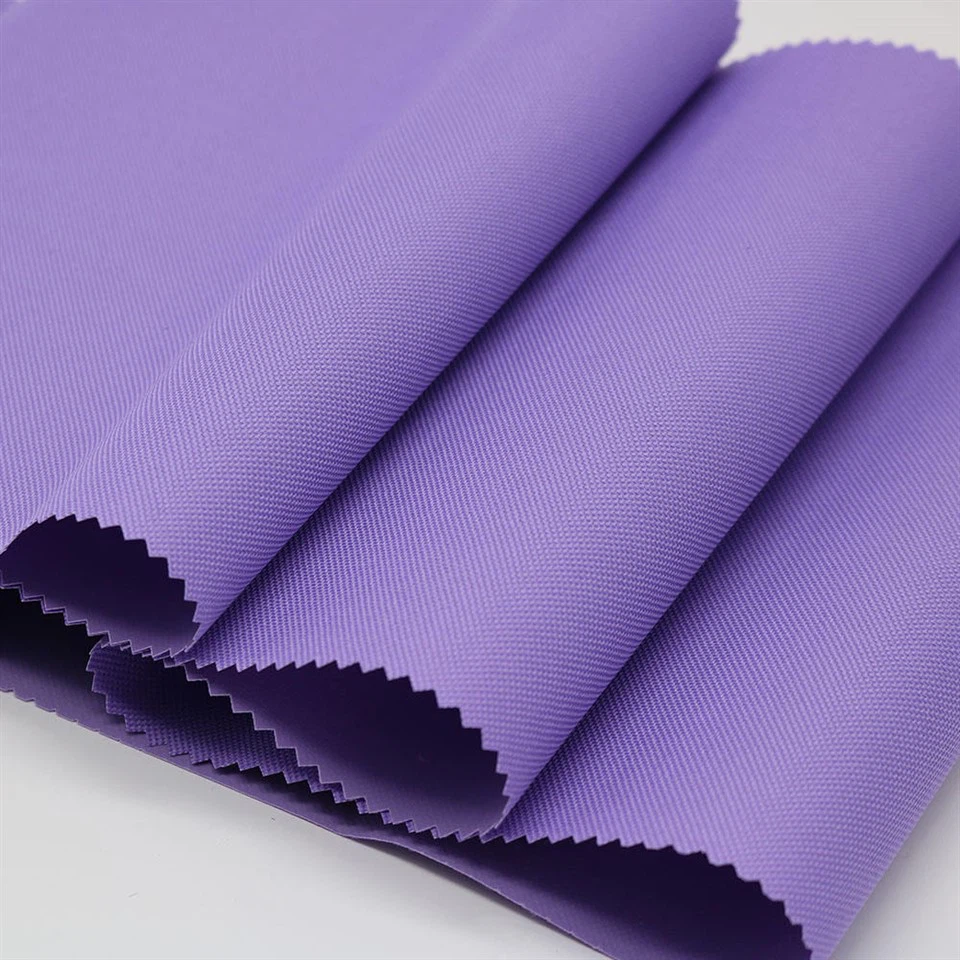
First off, let's understand what 230 Twill Oxford is. It's a type of fabric that's commonly used in a variety of products, from bags to clothing. The "230" refers to the fabric's density, and the "twill" indicates the weaving pattern. You can find more detailed information about it on this 230 Twill Oxford page.
Material Sourcing
The environmental friendliness of 230 Twill Oxford starts with where the raw materials come from. A lot of 230 Twill Oxford is made from polyester. Polyester is a synthetic fiber derived from petroleum, which is a non - renewable resource. This means that in the long run, relying on polyester for fabric production can put a strain on our planet's finite resources.
On the other hand, some suppliers are now looking into more sustainable sourcing options. For example, there's recycled polyester. Recycled polyester is made from post - consumer waste like plastic bottles. By using recycled polyester to make 230 Twill Oxford, we're giving new life to materials that would otherwise end up in landfills. This not only reduces waste but also decreases the demand for new petroleum - based polyester.
Production Process
The production of 230 Twill Oxford also plays a huge role in its environmental impact. Traditional polyester fabric production involves a lot of energy - intensive processes. There are steps like melting the polyester chips, spinning the fibers, and then weaving the fabric. These processes often rely on fossil fuels, which emit greenhouse gases and contribute to climate change.
However, some manufacturers are making efforts to improve. They're investing in more energy - efficient machinery and using renewable energy sources like solar or wind power in their factories. This can significantly reduce the carbon footprint of 230 Twill Oxford production. Additionally, advancements in dyeing and finishing technologies are reducing the amount of water and chemicals used in the process.

Durability and Lifespan
One of the big pluses for 230 Twill Oxford in terms of environmental friendliness is its durability. This fabric is known for being tough and long - lasting. When a product made from 230 Twill Oxford lasts a long time, it means you don't have to replace it as often. This reduces the overall consumption of resources over time.
For example, if you have a backpack made from 230 Twill Oxford, it can withstand years of daily use. Compare that to a backpack made from a less durable fabric that might need to be replaced every year or two. By choosing the 230 Twill Oxford backpack, you're ultimately saving resources that would have been used to produce multiple less - durable backpacks.
Disposal
What happens when a product made from 230 Twill Oxford reaches the end of its life? Well, since it's mostly polyester, it doesn't biodegrade easily. Polyester can take hundreds of years to break down in a landfill. This is definitely a downside from an environmental perspective.
But again, there are solutions. Recycling is an option. Some recycling facilities can process polyester fabric and turn it back into raw materials for new products. There's also the concept of upcycling, where old 230 Twill Oxford products can be transformed into something new and useful, like turning an old backpack into a set of tote bags.
Comparison with Other Fabrics
Let's compare 230 Twill Oxford with some other commonly used fabrics. Take the 300D Polyester Fabric for example. The 300D Polyester Fabric has a higher density than 230 Twill Oxford, which might make it more durable in some cases. However, it also shares the same issues related to polyester sourcing and disposal.
Then there's the 210D Inner Fabric PU Coated. This fabric is often used as an inner lining. The PU coating can add some water - resistance but might also have its own environmental concerns related to the chemicals used in the coating process.
Our Commitment as a Supplier
As a supplier of 230 Twill Oxford, we're committed to making our products as environmentally friendly as possible. We're constantly looking for ways to source more sustainable materials, improve our production processes, and educate our customers about proper disposal and recycling.
We believe that by working together, we can make a difference. Whether it's through using recycled polyester, reducing energy consumption in production, or promoting upcycling, every little bit helps.
Conclusion and Call to Action
So, is 230 Twill Oxford environmentally friendly? Well, it's a bit of a mixed bag. There are definitely some areas where it falls short, like its reliance on non - renewable resources and its slow decomposition rate. But at the same time, its durability and the potential for using recycled materials give it some green credentials.
If you're in the market for a durable fabric for your products and you're conscious about the environment, 230 Twill Oxford could be a good option. We're here to help you make an informed decision and provide you with high - quality, sustainable 230 Twill Oxford. If you're interested in learning more or starting a procurement discussion, don't hesitate to reach out. Let's work together to create products that are both functional and kind to our planet.
References
- Smith, J. (2020). "Sustainable Textile Production: Challenges and Solutions". Journal of Environmental Textiles.
- Green, A. (2021). "The Impact of Synthetic Fibers on the Environment". Environmental Science Review.