

How to store other oxford fabric properly?
Jun 02, 2025
Leave a message
Proper storage of other Oxford fabric is crucial for maintaining its quality and longevity, especially for a supplier like me. As an other Oxford fabric supplier, I understand the significance of ensuring that our products are stored in the best possible conditions to meet the high - standards of our customers. In this blog, I will share some scientific and practical ways to store other Oxford fabric properly.
1. Choose the Right Storage Environment
The first step in proper fabric storage is to select an appropriate environment. Temperature and humidity play a vital role in the preservation of other Oxford fabric.
- Temperature: The ideal temperature for storing other Oxford fabric is between 18°C and 22°C. Extreme temperatures can cause the fabric to expand or contract, which may lead to changes in its texture and structure. High temperatures can also accelerate the degradation of the fabric, especially if it has certain coatings or treatments. For example, the Chinese Factory Price 210T Fabric With PU Coating has a PU coating that can be affected by excessive heat, causing it to become sticky or lose its flexibility.
- Humidity: The relative humidity should be maintained at around 40% - 60%. High humidity can promote the growth of mold and mildew on the fabric, while low humidity can make the fabric dry and brittle. To control humidity, you can use dehumidifiers or humidifiers in the storage area. Additionally, proper ventilation is essential to prevent the accumulation of moisture. If the fabric is stored in a poorly - ventilated area, it can develop an unpleasant odor and may even attract pests.
2. Clean the Fabric Before Storage
Before storing other Oxford fabric, it is essential to clean it properly. Even small amounts of dirt, dust, or stains can attract pests and cause damage over time.
- Surface Cleaning: Use a soft brush or a vacuum cleaner with a soft brush attachment to remove any loose dirt or debris from the fabric surface. This is especially important for fabrics like the Polyester Raw Materials White Fabric, which can easily show dirt.
- Deep Cleaning: For more stubborn stains, follow the manufacturer's cleaning instructions. Some other Oxford fabrics can be machine - washed, while others may require dry - cleaning. Make sure the fabric is completely dry before storing it to prevent mold growth.
3. Use Appropriate Packaging
The right packaging can provide an extra layer of protection for other Oxford fabric during storage.
- Plastic Bags: Use high - quality plastic bags that are breathable to prevent moisture buildup. Avoid using bags made of low - quality plastic that may release harmful chemicals over time. Seal the bags tightly to keep out dust and pests.
- Cardboard Boxes: Cardboard boxes can also be a good option for storing larger pieces of fabric. Line the boxes with acid - free paper to prevent the fabric from coming into direct contact with the cardboard, which may contain chemicals that can damage the fabric. Label the boxes clearly with the type of fabric, color, and any other relevant information for easy identification.
4. Store in a Flat or Rolled Position
How you position the other Oxford fabric during storage can affect its shape and quality.
- Flat Storage: For smaller pieces of fabric or those that are easily wrinkled, storing them flat on shelves or in drawers is a good option. Place a layer of acid - free tissue paper between each layer of fabric to prevent them from sticking together.
- Rolled Storage: Larger pieces of fabric are often better stored rolled on a cardboard tube. This helps to maintain the fabric's shape and reduces the risk of creasing. Make sure the tube is clean and free of any sharp edges that could damage the fabric. When rolling the fabric, do it tightly but not too tightly to avoid stretching the fabric.
5. Protect from Light
Exposure to direct sunlight or harsh artificial light can cause the other Oxford fabric to fade and deteriorate over time.
- Dark Storage Area: Store the fabric in a dark room or use blackout curtains to block out light. If you need to use artificial light in the storage area, choose low - intensity, non - ultraviolet light sources.
- Cover the Fabric: If the fabric is stored in a place where it may be exposed to some light, cover it with a light - blocking cloth or sheet.
6. Check Regularly
Regular inspections are necessary to ensure that the other Oxford fabric is in good condition during storage.
- Visual Inspection: Check the fabric for any signs of mold, mildew, pests, or damage at least once every few months. Look for discoloration, holes, or any changes in the fabric's texture.
- Odor Check: If you notice an unpleasant odor coming from the fabric, it may be a sign of mold or mildew. Take immediate action to clean and dry the fabric if necessary.
7. Separate Different Types of Fabric
Different types of other Oxford fabric may have different storage requirements, so it is important to separate them.

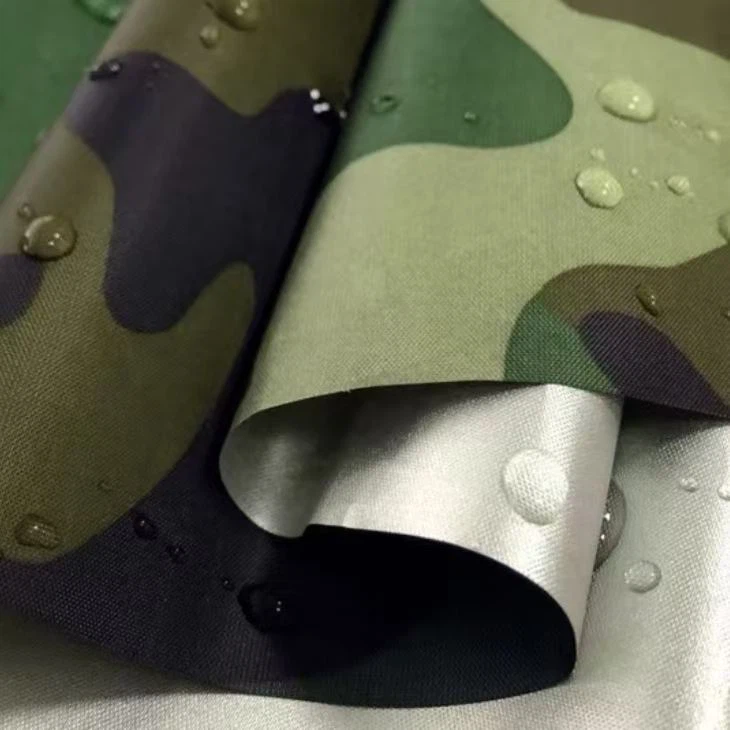
- Material Differences: Fabrics made of different materials, such as polyester and cotton blends, may react differently to storage conditions. Separate them to prevent any potential chemical reactions or cross - contamination.
- Coating and Treatment Differences: Fabrics with different coatings or treatments, like the 600D Cationic Polyester Fabric which has a special cationic treatment, should also be stored separately to avoid any damage.
In conclusion, proper storage of other Oxford fabric is a multi - step process that requires attention to detail. By following these guidelines, you can ensure that your other Oxford fabric remains in excellent condition for a long time. As a supplier, I am committed to providing high - quality other Oxford fabric to my customers, and proper storage is an important part of maintaining that quality.
If you are interested in purchasing other Oxford fabric, whether it is the Chinese Factory Price 210T Fabric With PU Coating, Polyester Raw Materials White Fabric, or 600D Cationic Polyester Fabric, please feel free to contact me for more information and to discuss your specific requirements. I look forward to working with you to meet your fabric needs.
References
- "Textile Storage and Preservation" by The Textile Museum
- "Best Practices for Fabric Storage" from the International Fabrics Association