

How to store 500d oxford fabric properly?
Jan 19, 2026
Leave a message
Hey there! As a supplier of 500d oxford fabric, I've seen firsthand how crucial it is to store this material properly. Whether you're a small business owner looking to stock up on inventory or a DIY enthusiast with a large stash of fabric, getting the storage right can make a huge difference in the quality and longevity of your 500d oxford fabric. In this blog, I'll share some tips on how to store 500d oxford fabric properly, based on my experience in the industry.
Understanding 500d Oxford Fabric
Before we dive into the storage tips, let's quickly go over what 500d oxford fabric is. The "500d" refers to the denier, which is a unit of measurement for the linear mass density of fibers. A higher denier means the fabric is thicker and more durable. 500d oxford fabric is a popular choice for a variety of applications, including outdoor gear like backpacks, tents, and luggage, as well as upholstery and home decor. You can check out 500D Oxford Cloth (500D*500D) and 500D 100% Polyester Oxford Fabric for more information on the specific types of 500d oxford fabric available.
Choose the Right Storage Location
The first step in proper fabric storage is to choose the right location. You want to find a place that's cool, dry, and away from direct sunlight. Sunlight can cause the fabric to fade and weaken over time, while moisture can lead to mold and mildew growth. A closet, basement, or storage room that's temperature and humidity-controlled is ideal. If you don't have a climate-controlled space, try to at least keep the fabric away from windows and areas prone to moisture, like bathrooms or kitchens.
Keep the Fabric Clean
Before you store your 500d oxford fabric, make sure it's clean. Any dirt, stains, or debris left on the fabric can attract pests and cause damage over time. You can either wash the fabric according to the manufacturer's instructions or spot clean it with a mild detergent and water. Once the fabric is clean, let it dry completely before storing it.
Fold or Roll the Fabric
There are two main ways to store fabric: folding and rolling. Both methods have their pros and cons, so it really depends on your personal preference and the amount of space you have available.

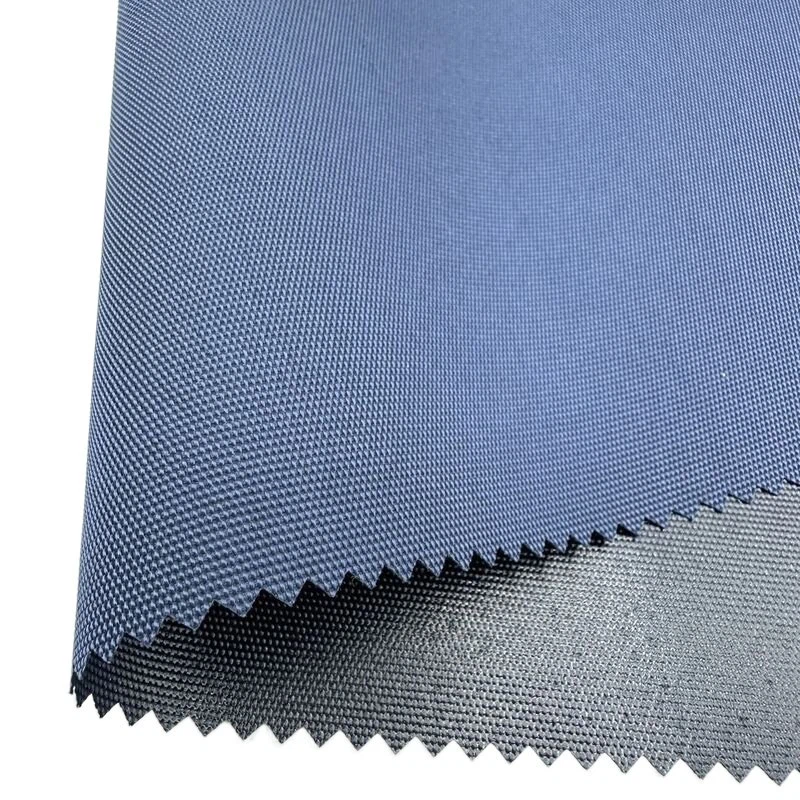
- Folding: Folding the fabric is a great option if you have limited space. To fold the fabric, start by laying it out flat on a clean surface. Smooth out any wrinkles or creases, then fold the fabric in half lengthwise. Next, fold it in half again, and continue folding until you reach the desired size. Make sure to fold the fabric along the natural grain to prevent stretching or distortion. You can stack the folded fabric on a shelf or in a storage bin.
- Rolling: Rolling the fabric is a better option if you want to prevent creases and wrinkles. To roll the fabric, start by laying it out flat on a clean surface. Smooth out any wrinkles or creases, then place a cardboard tube or dowel at one end of the fabric. Roll the fabric tightly around the tube, making sure to keep it straight and even. You can store the rolled fabric upright in a storage bin or on a shelf.
Use Protective Covers
To further protect your 500d oxford fabric from dust, dirt, and pests, consider using protective covers. You can use plastic bags, fabric storage containers, or even old sheets to cover the fabric. Make sure the covers are clean and dry before using them, and avoid using covers that are too tight or restrictive, as this can cause the fabric to stretch or distort.
Label the Storage Containers
If you're storing multiple types of fabric or have a large inventory, it's a good idea to label the storage containers. This will make it easier to find the fabric you need when you're ready to use it. You can use a permanent marker or a label maker to write the name of the fabric, the color, and any other relevant information on the container.
Check the Fabric Regularly
Even if you've taken all the necessary precautions to store your 500d oxford fabric properly, it's still a good idea to check it regularly for signs of damage or deterioration. Look for any signs of mold, mildew, pests, or discoloration, and take action immediately if you notice anything. You may also want to rotate the fabric periodically to prevent it from sitting in the same position for too long.
Conclusion
Properly storing your 500d oxford fabric is essential to maintaining its quality and longevity. By following these tips, you can ensure that your fabric stays in good condition and is ready to use whenever you need it. If you have any questions or need more information on storing 500d oxford fabric, feel free to reach out to me. I'm always happy to help! And if you're interested in purchasing 500d oxford fabric for your next project, don't hesitate to contact me for more details and to discuss your specific needs.
References
- "How to Store Fabric: Tips and Tricks for Keeping Your Fabric in Good Condition." Sewing Machine Advisor.
- "Fabric Storage: The Ultimate Guide." AllFreeSewing.
- "500D Oxford Fabric: A Comprehensive Guide." Outdoor Gear Lab.