

How to make polyester ripstop fabric more wrinkle - resistant?
Sep 25, 2025
Leave a message
Polyester ripstop fabric is a popular choice in various industries due to its durability and strength. However, one of the common challenges with this fabric is its tendency to wrinkle. As a polyester ripstop fabric supplier, I understand the importance of providing high - quality, wrinkle - resistant materials to meet the diverse needs of our customers. In this blog, I will share several effective ways to make polyester ripstop fabric more wrinkle - resistant.
Understanding Polyester Ripstop Fabric
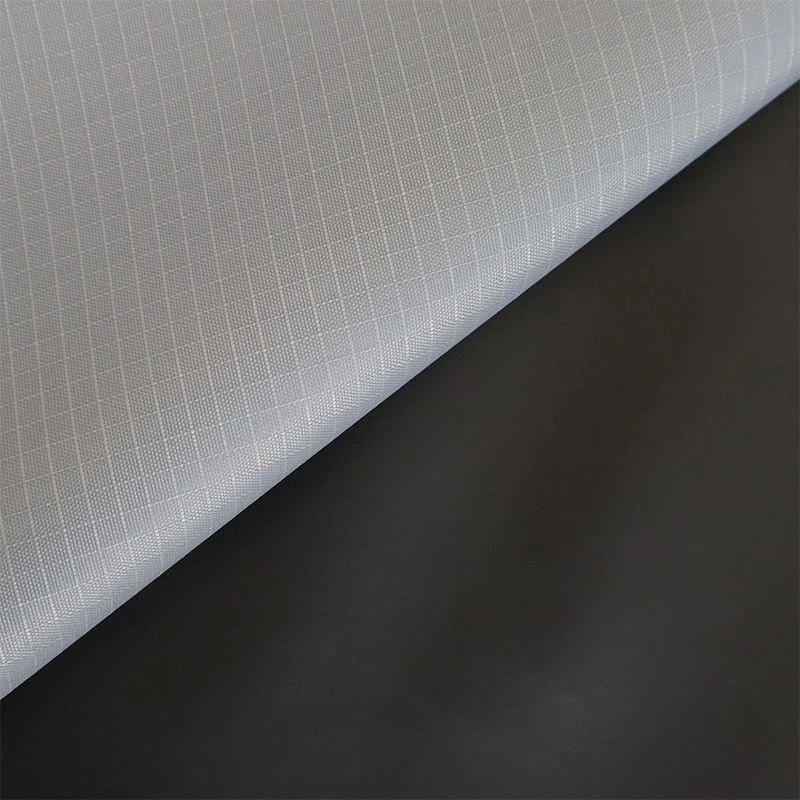
Before delving into the methods of enhancing wrinkle resistance, it's crucial to understand the nature of polyester ripstop fabric. Polyester is a synthetic fiber known for its excellent strength, abrasion resistance, and quick - drying properties. The ripstop construction, characterized by a grid of thicker threads woven into the fabric, further enhances its tear - resistance. But despite these advantages, polyester ripstop can still develop wrinkles, especially during storage, transportation, or extended use.
1. Chemical Treatments
One of the most common and effective ways to improve the wrinkle resistance of polyester ripstop fabric is through chemical treatments. These treatments work by altering the molecular structure of the fabric, making it more resistant to deformation.
Cross - Linking Agents
Cross - linking agents are chemicals that create bonds between the polymer chains in the polyester fibers. When these agents are applied to the fabric, they form a three - dimensional network that helps the fabric retain its shape. For example, formaldehyde - based cross - linking agents have been widely used in the textile industry for decades. However, due to health and environmental concerns, many manufacturers are now turning to formaldehyde - free alternatives.
Silicone - Based Finishes
Silicone - based finishes are another popular choice for enhancing wrinkle resistance. Silicone molecules can coat the surface of the polyester fibers, reducing friction between them. This not only makes the fabric smoother but also helps it resist wrinkling. Additionally, silicone finishes can improve the fabric's water - repellency and softness. Our company offers 1mm Ripstop Oxford Fabric treated with advanced silicone - based finishes, which provides excellent wrinkle resistance without compromising on other properties.
2. Heat Setting
Heat setting is a physical process that can significantly improve the wrinkle resistance of polyester ripstop fabric. During heat setting, the fabric is exposed to high temperatures under controlled conditions. This causes the polyester fibers to relax and take on a new, more stable shape.
The Process of Heat Setting
The heat - setting process typically involves passing the fabric through a heated chamber or over hot rollers. The temperature and duration of the heat treatment depend on the type of polyester and the desired level of wrinkle resistance. Generally, polyester ripstop fabric is heat - set at temperatures between 180°C and 220°C for a few seconds to a few minutes.
Benefits of Heat Setting
Heat setting not only makes the fabric more wrinkle - resistant but also improves its dimensional stability. This means that the fabric is less likely to shrink or stretch during washing or use. Our 5mm Water Resistant Ripstop Fabric undergoes a precise heat - setting process to ensure optimal wrinkle resistance and dimensional stability.
3. Weave and Knit Modifications
The way the polyester ripstop fabric is woven or knitted can also affect its wrinkle resistance. By making specific modifications to the weave or knit structure, we can create a fabric that is less prone to wrinkling.
Tight Weaves
A tight weave can make the fabric more resistant to wrinkling because it restricts the movement of the fibers. In a tight - woven polyester ripstop fabric, the individual fibers are held more firmly in place, making it more difficult for them to deform. However, a very tight weave can also make the fabric stiffer and less breathable. Therefore, a balance needs to be struck between wrinkle resistance and other properties such as comfort and flexibility.
Special Knit Patterns
Some knit patterns are inherently more wrinkle - resistant than others. For example, circular knits tend to be more stretchy and less likely to wrinkle compared to flat knits. By using special knit patterns in the production of polyester ripstop fabric, we can enhance its wrinkle - resistant properties. Our Ripstop Oxford Cloth is available in a variety of weave and knit options, allowing customers to choose the one that best suits their needs.
4. Storage and Care
Proper storage and care can also play a significant role in maintaining the wrinkle resistance of polyester ripstop fabric.
Storage
When storing polyester ripstop fabric, it's important to keep it flat or hanging to prevent wrinkles from forming. Avoid folding the fabric tightly for long periods, as this can cause permanent creases. If you need to fold the fabric for storage, use a large, flat surface and fold it gently along the natural grain of the fabric.
Care Instructions
When washing polyester ripstop fabric, follow the care instructions carefully. Use a gentle cycle and a mild detergent. Avoid using high - heat settings in the dryer, as this can damage the fabric and reduce its wrinkle resistance. Instead, air - dry the fabric or use a low - heat setting.

Conclusion
Making polyester ripstop fabric more wrinkle - resistant involves a combination of chemical treatments, heat setting, weave and knit modifications, and proper storage and care. As a polyester ripstop fabric supplier, we are committed to providing our customers with high - quality, wrinkle - resistant fabrics that meet their specific requirements. Whether you are in the outdoor apparel, luggage, or industrial products industry, our range of 1mm Ripstop Oxford Fabric, 5mm Water Resistant Ripstop Fabric, and Ripstop Oxford Cloth can offer the perfect solution.
If you are interested in learning more about our polyester ripstop fabric products or would like to discuss your specific needs, please feel free to contact us. We look forward to the opportunity to work with you and provide you with the best fabric solutions.
References
- Textile Chemistry and Technology, Volume 1: Fibers, Yarns, and Fabrics by Christopher C. Cooke
- Handbook of Textile Fibre Structure, Volume 2: Man - Made Fibres by A. J. Hearle
- The Technology of Textile Fibres by R. H. Peirce