

How to make 500d oxford fabric fire - resistant?
Dec 15, 2025
Leave a message
As a supplier of 500d oxford fabric, I've witnessed the growing demand for fire - resistant materials in various industries. Fire safety is a crucial concern, whether it's for outdoor equipment, industrial applications, or even home furnishings. In this blog, I'll share some effective ways to make 500d oxford fabric fire - resistant.
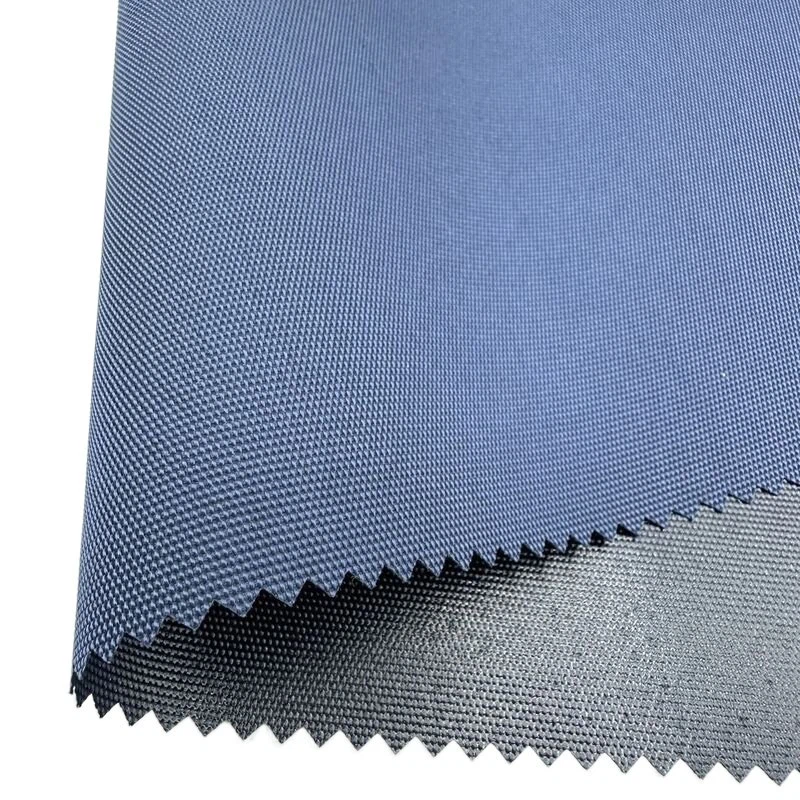

Understanding 500d Oxford Fabric
Before delving into the fire - resistant treatment methods, let's briefly understand what 500d oxford fabric is. The "500d" refers to the denier of the fabric. Denier is a unit of measurement for the linear mass density of fibers. A 500d oxford fabric is relatively durable and has a wide range of applications. You can find high - quality 500D 100% Polyester Oxford Fabric and 500D Oxford Cloth (500D*500D) in our product range.
Chemical Treatment Methods
Flame - Retardant Finishes
One of the most common ways to make 500d oxford fabric fire - resistant is through flame - retardant finishes. These finishes work by creating a barrier on the fabric surface that inhibits the spread of fire. There are different types of flame - retardant chemicals available, such as halogen - based, phosphorus - based, and nitrogen - based compounds.
Halogen - based flame retardants were once widely used due to their high effectiveness. However, concerns about their environmental impact and potential health risks have led to a shift towards more eco - friendly alternatives. Phosphorus - based flame retardants are now popular because they are relatively safe and can provide good fire - resistant properties. When applying a flame - retardant finish, the fabric is typically immersed in a solution containing the flame - retardant chemical and then dried. The concentration of the chemical in the solution and the drying conditions need to be carefully controlled to ensure optimal performance.
Coating
Coating the 500d oxford fabric with a fire - resistant material is another effective method. Fire - resistant coatings can be made from materials like silicone, intumescent polymers, or ceramic materials. Silicone coatings form a protective layer on the fabric surface that can withstand high temperatures and prevent the fabric from catching fire easily. Intumescent coatings, on the other hand, expand when exposed to heat, creating a thick, insulating char layer that slows down the spread of fire.
The coating process involves applying the coating material evenly onto the fabric surface using techniques such as knife coating, roller coating, or spray coating. The thickness of the coating and the curing conditions are important factors that affect the fire - resistant performance of the coated fabric.
Structural Modification
Blending with Fire - Resistant Fibers
Blending the 500d oxford fabric with fire - resistant fibers is a way to enhance its fire - resistant properties at a structural level. Fibers like aramid, modacrylic, and glass fibers are known for their excellent fire - resistant characteristics. By blending these fibers with the polyester fibers in the 500d oxford fabric, the overall fire - resistance of the fabric can be significantly improved.
The proportion of the fire - resistant fibers in the blend needs to be carefully determined. A higher proportion of fire - resistant fibers will generally result in better fire - resistance, but it may also affect other properties of the fabric, such as its flexibility, weight, and cost.
Weaving Structure
The weaving structure of the 500d oxford fabric can also influence its fire - resistance. Fabrics with a tighter weave tend to have better fire - resistant properties because they provide less space for oxygen to reach the fibers, which is necessary for combustion. Changing the weaving pattern, such as using a twill or satin weave instead of a plain weave, can also affect the fabric's ability to resist fire.
Testing and Certification
After treating the 500d oxford fabric to make it fire - resistant, it's essential to conduct testing to ensure that it meets the required fire - safety standards. There are various international and national standards for fire - resistant fabrics, such as the NFPA 701 standard in the United States and the EN 11612 standard in Europe.
Testing methods typically involve exposing the fabric to a controlled flame source and measuring parameters such as the ignition time, flame spread rate, and after - glow time. Only fabrics that pass these tests can be certified as fire - resistant. This certification is not only important for ensuring the safety of the end - users but also for marketing the product in different industries.
Applications of Fire - Resistant 500d Oxford Fabric
Fire - resistant 500d oxford fabric has a wide range of applications. In the outdoor industry, it can be used to make tents, awnings, and backpacks. These products need to be fire - resistant to ensure the safety of campers and outdoor enthusiasts. In the industrial sector, fire - resistant 500d oxford fabric can be used for protective clothing, conveyor belts, and insulation materials. In the home furnishings industry, it can be used for curtains, upholstery, and bedding.
Quality Control and Assurance
As a supplier, we understand the importance of quality control and assurance when it comes to fire - resistant 500d oxford fabric. We have a strict quality control system in place from the raw material selection to the final product inspection. We source high - quality polyester fibers and fire - retardant chemicals from reliable suppliers. During the production process, we monitor every step, including the chemical treatment, coating, and weaving processes, to ensure that the fabric meets the highest quality standards.
Conclusion
Making 500d oxford fabric fire - resistant is a multi - faceted process that involves chemical treatment, structural modification, testing, and quality control. By using the methods described in this blog, we can produce high - quality fire - resistant 500d oxford fabric that meets the diverse needs of different industries.
If you're interested in our fire - resistant 500d oxford fabric or have any questions about the product, please feel free to contact us for further information and to start a procurement negotiation. We're committed to providing you with the best products and services to meet your fire - safety requirements.
References
- "Flame Retardant Textiles: Principles, Applications, and New Developments" by Horrocks, A. R.
- "Textile Science and Technology" edited by Postle, R., et al.
- International standards such as NFPA 701 and EN 11612.