

How to clean stains on polyester ripstop fabric?
Jul 17, 2025
Leave a message
Polyester ripstop fabric is a popular choice for a variety of applications, from outdoor gear to clothing, due to its durability, lightweight nature, and resistance to tearing. However, like any fabric, it can get stained over time. As a supplier of high - quality polyester ripstop fabric, including 5mm Water Resistant Ripstop Fabric, 1mm Ripstop Oxford Fabric, and 2mm Stretch Ripstop Fabric, I understand the importance of keeping this fabric clean and in good condition. In this blog, I'll share some effective methods to clean stains on polyester ripstop fabric.
Understanding Polyester Ripstop Fabric
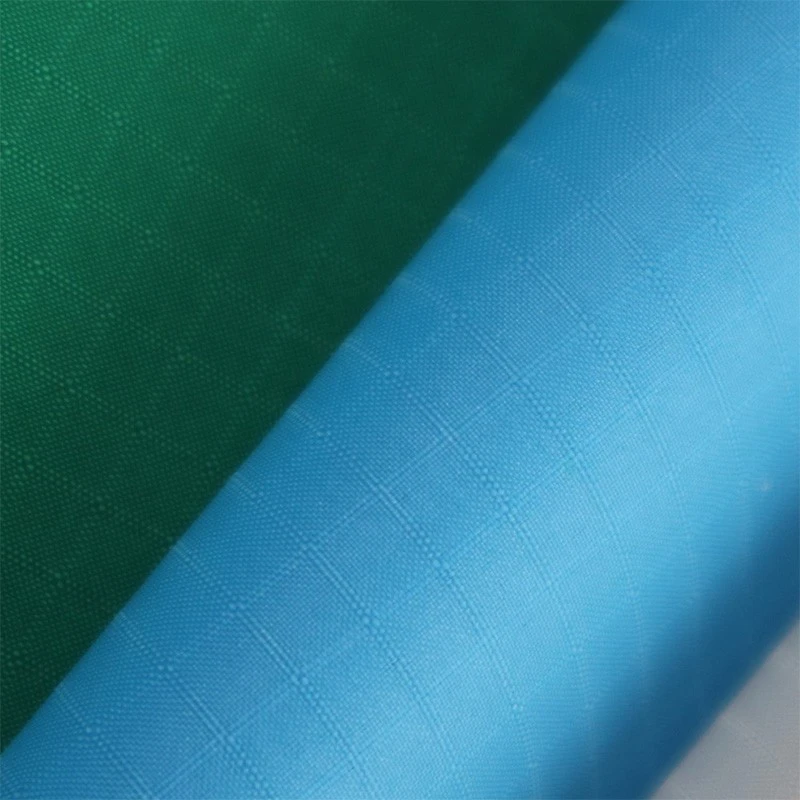
Before diving into the cleaning process, it's essential to understand the properties of polyester ripstop fabric. Polyester is a synthetic fiber known for its strength, quick - drying ability, and resistance to wrinkles and mildew. The ripstop construction, which features reinforced cross - stitching, adds extra durability and tear - resistance. These properties make it suitable for harsh environments but also affect how stains interact with the fabric.
Identifying the Stain
The first step in cleaning any stain is to identify what type of stain it is. Different stains require different cleaning methods. Here are some common types of stains and how to deal with them:

Grease and Oil Stains
Grease and oil stains are common, especially if the fabric is used in outdoor or work settings. To remove these stains:
- Blot the stain: Use a clean, absorbent cloth or paper towel to blot as much of the grease or oil as possible. Do not rub, as this can spread the stain.
- Apply a pre - treatment: You can use a commercial stain remover or make a homemade solution. A mixture of dish soap and warm water is a great option. Apply the solution to the stain and let it sit for 10 - 15 minutes. Dish soap is effective at breaking down grease and oil molecules.
- Rinse the fabric: After the pre - treatment, rinse the fabric thoroughly with warm water. Make sure all the soap and loosened stain are removed.
- Launder the fabric: Wash the fabric in the washing machine using a mild detergent. Use a gentle cycle and cold or warm water, depending on the fabric's care instructions.
Food and Beverage Stains
Food and beverage stains can vary widely in terms of color and composition. Here's how to tackle them:
- Act quickly: The sooner you treat a food or beverage stain, the better. Blot the stain with a clean cloth to remove as much of the liquid as possible.
- Use a stain - removing solution: For mild stains, a mixture of white vinegar and water (in a 1:1 ratio) can be effective. Apply the solution to the stain and let it sit for a few minutes. For more stubborn stains, you can use a laundry detergent paste. Mix a small amount of detergent with water to form a paste, apply it to the stain, and gently rub it in.
- Rinse and launder: Rinse the fabric with cold water to remove the stain - removing solution. Then, wash the fabric in the washing machine as usual.
Ink Stains
Ink stains can be challenging to remove, but it's not impossible.
- Test a small area: Before applying any cleaning solution to the entire stain, test it on a small, inconspicuous area of the fabric to make sure it doesn't cause discoloration.
- Use rubbing alcohol: Moisten a clean cloth with rubbing alcohol and gently blot the ink stain. Work from the outside of the stain towards the center to prevent spreading.
- Rinse and repeat: Rinse the fabric with cold water after blotting. If the stain is still visible, repeat the process until the stain is removed.
- Launder the fabric: Once the stain is gone, wash the fabric in the washing machine to remove any remaining alcohol.
General Cleaning Tips
Regardless of the type of stain, there are some general cleaning tips to keep in mind when cleaning polyester ripstop fabric:
Read the Care Instructions
Always check the fabric's care label before cleaning. Some polyester ripstop fabrics may have specific instructions regarding water temperature, washing cycle, and the use of certain cleaning products.
Avoid Harsh Chemicals
Harsh chemicals such as bleach can damage the polyester fibers and the ripstop construction. Stick to mild detergents and natural cleaning solutions whenever possible.
Air - Dry the Fabric
After washing, air - dry the fabric instead of using a dryer. High heat can damage the polyester fibers and cause shrinkage. Hang the fabric in a well - ventilated area away from direct sunlight, as prolonged exposure to sunlight can fade the fabric.
Cleaning in Bulk
If you are a manufacturer or have a large quantity of polyester ripstop fabric to clean, you may need to adjust your cleaning methods. Consider using a commercial - grade washing machine or a professional cleaning service. However, make sure they are experienced in cleaning polyester ripstop fabric to avoid damage.
Maintaining the Fabric's Quality
Cleaning stains is not only about removing the visible marks but also about maintaining the fabric's quality. Here are some additional tips to keep your polyester ripstop fabric in top condition:
- Store the fabric properly: When not in use, store the fabric in a cool, dry place. Avoid folding it tightly for long periods, as this can cause creases that may be difficult to remove.
- Regularly inspect the fabric: Check the fabric for signs of wear and tear, such as loose threads or small tears. Repair these issues promptly to prevent them from getting worse.
- Protect the fabric: If the fabric is used in outdoor applications, consider using a fabric protector. This can help repel stains and extend the fabric's lifespan.
Conclusion
Cleaning stains on polyester ripstop fabric requires a combination of proper identification, appropriate cleaning methods, and careful handling. As a supplier of 5mm Water Resistant Ripstop Fabric, 1mm Ripstop Oxford Fabric, and 2mm Stretch Ripstop Fabric, I hope these tips will help you keep your fabric clean and in excellent condition.
If you are interested in purchasing high - quality polyester ripstop fabric for your projects, whether it's for outdoor gear, clothing, or other applications, I encourage you to contact me for procurement and negotiation. I'm committed to providing you with the best products and services.
References
- "Textile Science and Technology: Synthetic Fibers" by Horst - Peter Reiners
- "The Complete Guide to Fabric Care" by Consumer Reports