

How to clean 600d oxford fabric?
Jun 12, 2025
Leave a message
As a supplier of 600D Oxford fabric, I understand that proper cleaning and maintenance are crucial to ensure the longevity and performance of this versatile material. In this blog post, I'll share some effective and scientific ways to clean 600D Oxford fabric, along with some useful tips to keep it in top - notch condition.
Understanding 600D Oxford Fabric
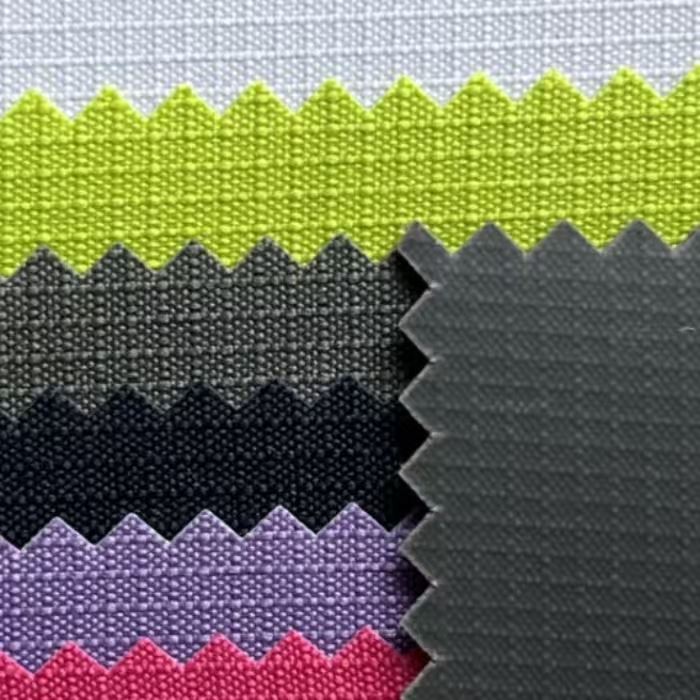
Before we dive into the cleaning process, it's essential to know what 600D Oxford fabric is. The "600D" refers to the denier of the fabric, which is a unit of measurement for the linear mass density of fibers. A higher denier generally means a thicker and more durable fabric. 600D Oxford fabric is known for its strength, abrasion resistance, and versatility. It's commonly used in various applications such as backpacks, tents, luggage, and outdoor clothing.
Our company offers a wide range of 600D Oxford fabric products, including 600D*600D RPET Polyester Fabric, GUCHI Oxford Fabric, and Waterproof Ripstop Tent Fabric. Each type may have specific cleaning requirements, but the general principles remain the same.
Pre - cleaning Inspection
Before starting the cleaning process, carefully inspect the fabric for any signs of damage, such as tears, loose threads, or stains. If there are tears or loose threads, it's best to repair them before cleaning to prevent further damage. For stains, identify the type of stain (e.g., grease, dirt, or food) as this will determine the most appropriate cleaning method.
Spot Cleaning
For small stains or spills, spot cleaning is often the best approach. Here's how you can do it:
- Gather your supplies: You'll need a mild detergent, a soft - bristled brush, a clean cloth, and lukewarm water.
- Prepare the cleaning solution: Mix a small amount of mild detergent with lukewarm water in a bowl. Make sure the solution is well - mixed but not too concentrated.
- Test the solution: Before applying the solution to the stain, test it on a small, inconspicuous area of the fabric to ensure it doesn't cause any discoloration or damage.
- Apply the solution: Dip the soft - bristled brush into the cleaning solution and gently scrub the stained area in a circular motion. Be careful not to scrub too hard, as this could damage the fabric.
- Rinse the area: Use a clean cloth dampened with lukewarm water to rinse the area and remove the detergent residue.
- Dry the area: Pat the area dry with a clean towel or let it air dry. Avoid using a high - heat dryer, as this could shrink or damage the fabric.
Machine Washing
If the fabric is heavily soiled or you need to clean a large piece, machine washing may be necessary. However, it's important to follow these guidelines to avoid damaging the fabric:
- Check the care label: Always check the care label on the fabric for specific washing instructions. Some 600D Oxford fabrics may not be suitable for machine washing.
- Choose the right settings: Select a gentle or delicate cycle on your washing machine. Use cold or lukewarm water, as hot water can cause the fabric to shrink or lose its shape.
- Use a mild detergent: Use a mild, non - abrasive detergent specifically designed for delicate fabrics. Avoid using bleach or fabric softeners, as these can damage the fabric's water - repellent coating (if applicable) and cause discoloration.
- Load the machine carefully: Don't overcrowd the washing machine, as this can prevent the fabric from being cleaned properly and may cause it to tangle or wrinkle.
- Add a fabric protector (optional): If the fabric has a water - repellent coating, you can add a fabric protector to the rinse cycle to help restore and maintain its water - repellent properties.
- Remove the fabric promptly: Once the cycle is complete, remove the fabric from the washing machine promptly to prevent wrinkles from setting in.
Drying
Proper drying is just as important as cleaning. Here are some tips for drying 600D Oxford fabric:
- Air drying: Air drying is the best method for 600D Oxford fabric. Hang the fabric in a well - ventilated area away from direct sunlight. Avoid hanging it in a damp or humid area, as this can promote the growth of mold and mildew.
- Avoid high - heat drying: Do not use a high - heat dryer, as this can shrink, warp, or damage the fabric. If you need to use a dryer, select a low - heat or air - dry setting.
- Reshape the fabric: While the fabric is still damp, you can gently reshape it to its original form. Smooth out any wrinkles or creases with your hands.
Special Considerations for Different Applications
- Backpacks and luggage: Before cleaning, empty all the contents of the backpack or luggage and remove any detachable parts, such as straps or pockets. Spot clean any stains on the exterior and interior of the bag, and then machine wash it if necessary. After cleaning, make sure to dry the bag thoroughly to prevent musty odors.
- Tents: If you need to clean a tent made of 600D Oxford fabric, it's best to do it on a large, clean surface outdoors. Spot clean any stains and then use a gentle hose to rinse the tent. Avoid using a high - pressure hose, as this can damage the fabric. Let the tent air dry completely before packing it away.
- Outdoor clothing: When cleaning 600D Oxford fabric outdoor clothing, follow the same cleaning and drying guidelines as for other items. However, be extra careful when washing items with zippers, buttons, or other hardware, as these can get caught in the washing machine and cause damage.
Maintaining the Fabric
Regular maintenance can help extend the life of your 600D Oxford fabric products. Here are some tips:
- Store the fabric properly: When not in use, store the fabric in a cool, dry place away from direct sunlight. Avoid folding or creasing the fabric for long periods, as this can cause permanent wrinkles.
- Reapply water - repellent coating: Over time, the water - repellent coating on the fabric may wear off. You can reapply a water - repellent spray according to the manufacturer's instructions to maintain its water - repellent properties.
- Inspect the fabric regularly: Check the fabric regularly for signs of wear and tear, such as fraying edges or loose seams. Repair any damage promptly to prevent it from getting worse.
Conclusion
Cleaning 600D Oxford fabric doesn't have to be a daunting task. By following these scientific and practical cleaning methods, you can keep your 600D Oxford fabric products looking and performing their best for years to come. Whether you're using it for backpacks, tents, or outdoor clothing, proper cleaning and maintenance are essential.

If you're interested in purchasing high - quality 600D Oxford fabric for your next project, we're here to help. Our company offers a wide selection of 600D Oxford fabric products, each carefully crafted to meet the highest standards of quality and durability. Contact us to start a procurement negotiation, and let's work together to find the perfect fabric solution for your needs.
References
- Textile Care Guide: General guidelines for fabric care.
- 600D Oxford Fabric Manufacturer's Manual: Specific information about the properties and care of 600D Oxford fabric.