

How does high density oxford fabric perform in high - altitude areas?
Dec 24, 2025
Leave a message
Hey there! As a supplier of high density oxford fabric, I've been getting a lot of questions lately about how our fabric performs in high - altitude areas. So, I thought I'd write this blog to share some insights based on my experience and knowledge.
First off, let's talk about what high - altitude areas are like. High - altitude regions are known for their extreme environmental conditions. The air is thinner, which means there's less oxygen. Temperatures can swing from extremely cold at night to relatively warm during the day. There's also more intense UV radiation due to the thinner atmosphere, and the weather can be pretty unpredictable, with strong winds and sudden storms.
So, how does high density oxford fabric hold up in these tough conditions?
Durability
One of the key features of high density oxford fabric is its durability. The fabric is made with tightly woven fibers, which gives it a high resistance to tearing and abrasion. In high - altitude areas, where the terrain can be rough and rocky, this durability is a huge advantage. Whether it's for making tents, backpacks, or other outdoor gear, the fabric can withstand the constant rubbing against rocks and branches without getting damaged easily.
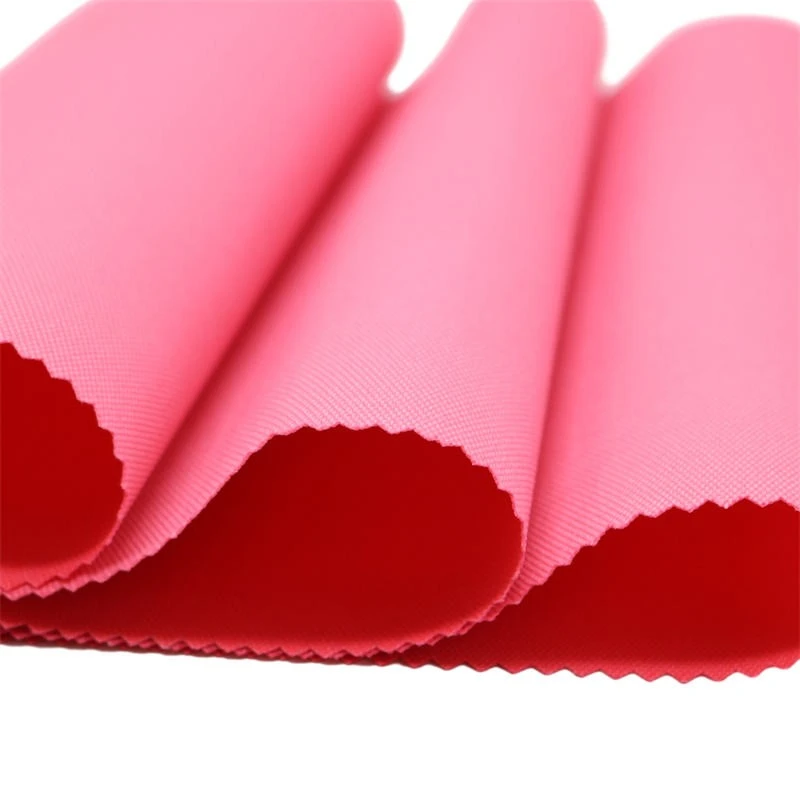
For example, our 1000D PU Coated Oxford Fabric is a great choice for high - altitude use. The 1000D refers to the denier of the fabric, which is a measure of the fiber thickness. A higher denier means a thicker and more durable fabric. The PU coating further enhances its resistance to water and abrasion, making it perfect for withstanding the harsh conditions in high - altitude areas.
Insulation
Insulation is crucial in high - altitude areas where temperatures can drop significantly at night. High density oxford fabric can provide a certain level of insulation. The tight weave of the fabric helps to trap air, which acts as an insulator. This can keep the interior of a tent or the contents of a backpack warmer.
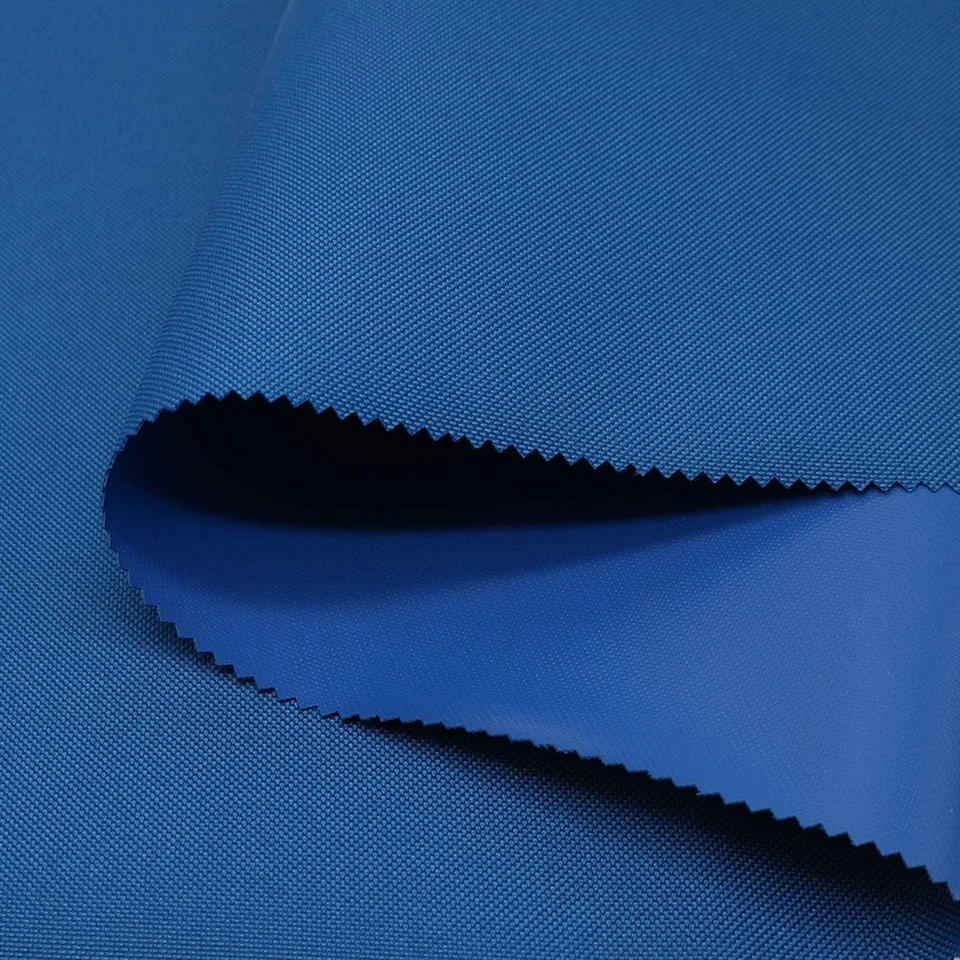
However, it's important to note that while high density oxford fabric can provide some insulation, it may not be enough on its own in extremely cold conditions. In such cases, additional insulation materials may need to be used in combination with the fabric. Our 1200D Waterproof Oxford has a good balance of durability and insulation properties. The higher denier fabric is thicker and can trap more air, providing better insulation compared to lower denier fabrics.
Waterproofing
Waterproofing is another important factor in high - altitude areas. The weather can change quickly, and there may be rain, snow, or even hail. High density oxford fabric can be treated with waterproof coatings to make it resistant to water.
The waterproof coating on the fabric creates a barrier that prevents water from seeping through. This is essential for keeping the contents of a tent or a backpack dry. Our 1680D Oxford Cloth is a highly waterproof option. The high denier fabric combined with a quality waterproof coating ensures that it can keep water out even in heavy downpours.
UV Resistance
As mentioned earlier, high - altitude areas have more intense UV radiation. Prolonged exposure to UV rays can damage the fabric over time, causing it to fade and weaken. High density oxford fabric can be treated with UV - resistant chemicals to protect it from the harmful effects of the sun.
These treatments help to prevent the fabric from breaking down and losing its strength. When choosing a high density oxford fabric for high - altitude use, it's important to look for one that has good UV resistance. This will ensure that the fabric lasts longer and maintains its performance in the harsh sunlight.
Breathability
Breathability is often overlooked but is actually quite important, especially when using the fabric for tents or clothing. In high - altitude areas, where physical activity can be strenuous, a breathable fabric can help to prevent sweating and condensation.
High density oxford fabric can be designed to be breathable. Some fabrics have special pores or ventilation systems that allow air to circulate, keeping the user dry and comfortable. However, achieving a good balance between breathability and waterproofing can be a challenge. It's important to choose a fabric that meets your specific needs.
In conclusion, high density oxford fabric performs quite well in high - altitude areas. Its durability, insulation, waterproofing, UV resistance, and breathability make it a great choice for a wide range of outdoor applications. Whether you're a mountaineer, a hiker, or an outdoor enthusiast, our high density oxford fabrics can provide the performance you need.
If you're interested in purchasing high density oxford fabric for your high - altitude projects, I'd love to have a chat with you. We can discuss your specific requirements and find the best fabric solution for you. Don't hesitate to reach out for more information and to start the procurement negotiation process.
References
- Outdoor Fabric Handbook: A Guide to Materials and Their Applications
- Studies on the Performance of Textiles in Extreme Environments