

Can 500d oxford fabric be printed on?
Jun 17, 2025
Leave a message
As a seasoned supplier of 500d oxford fabric, I've often been asked whether this type of fabric can be printed on. The answer is a resounding yes, but there's a lot more to it than just a simple affirmation. In this blog post, I'll delve into the details of printing on 500d oxford fabric, covering the methods, considerations, and benefits.
Understanding 500d Oxford Fabric
Before we jump into the printing aspect, let's briefly understand what 500d oxford fabric is. The "500d" refers to the denier measurement, which is a unit used to express the linear mass density of fibers. A 500d fabric means that a 9,000 - meter length of the fiber used in the fabric weighs 500 grams. This indicates a relatively sturdy and durable fabric, commonly made from polyester.
We offer two popular variants: 500D 100% Polyester Oxford Fabric and 500D Oxford Cloth (500D*500D). These fabrics are known for their strength, water - resistance, and versatility, making them suitable for a wide range of applications such as bags, tents, outdoor clothing, and more.
Printing Methods for 500d Oxford Fabric
There are several printing methods available for 500d oxford fabric, each with its own advantages and limitations.
Screen Printing
Screen printing is a traditional and widely used method for fabric printing. It involves creating a stencil (or screen) for each color in the design. Ink is then forced through the screen onto the fabric, creating the desired pattern.
- Advantages:
- It can produce vibrant and opaque colors, making it suitable for bold and high - contrast designs.
- It is cost - effective for large - scale production runs. Once the screens are made, the per - unit printing cost is relatively low.
- Limitations:
- The setup cost can be high, especially for designs with multiple colors. Each color requires a separate screen, which can be time - consuming and expensive to create.
- It may not be the best option for very detailed or photographic - style designs.
Digital Printing
Digital printing is a more modern and flexible method. It uses digital files to print directly onto the fabric, similar to how a home printer works but on a much larger scale.
- Advantages:
- It offers high - resolution printing, making it ideal for detailed designs, photographic images, and complex patterns.
- There is no need for expensive screen setup, so it is cost - effective for small - scale or custom - printed orders.
- It allows for quick turnaround times, as the design can be easily modified and printed without the need for additional tooling.
- Limitations:
- The ink used in digital printing can be more expensive than screen - printing ink, which may increase the per - unit cost for large production runs.
- The color vibrancy may not be as high as screen printing in some cases.
Heat Transfer Printing
Heat transfer printing involves printing the design onto a transfer paper first and then using heat and pressure to transfer the design from the paper to the fabric.
- Advantages:
- It can achieve excellent color accuracy and detail, similar to digital printing.
- It is suitable for both small and large production runs, as there is no need for expensive setup costs.
- Limitations:
- The heat and pressure required for the transfer process can sometimes damage the fabric, especially if not done correctly.
- The durability of the print may be lower compared to screen or digital printing, especially with frequent washing or abrasion.
Considerations for Printing on 500d Oxford Fabric
When planning to print on 500d oxford fabric, there are several factors to consider:
Fabric Preparation
Proper fabric preparation is crucial for achieving good print results. The fabric should be clean and free of any dirt, oil, or sizing agents. In some cases, a pre - treatment process may be required to improve the adhesion of the ink to the fabric.
Ink Selection
The type of ink used depends on the printing method and the desired properties of the print. For example, for outdoor applications, UV - resistant inks may be required to prevent fading. Water - based inks are more environmentally friendly, while solvent - based inks may offer better durability in some cases.
Design Complexity
As mentioned earlier, the complexity of the design will influence the choice of printing method. Simple, bold designs may be well - suited for screen printing, while detailed and photographic designs are better printed using digital or heat transfer methods.
Color Fastness
Color fastness refers to the ability of the print to retain its color over time, especially when exposed to factors such as washing, sunlight, and abrasion. It is important to choose a printing method and ink that can provide good color fastness, especially for products that will be used in harsh environments.
Benefits of Printing on 500d Oxford Fabric
Printing on 500d oxford fabric offers several benefits:
Branding and Customization
Printing your logo, brand name, or custom design on the fabric can help to promote your brand and make your products stand out in the market. It allows for a high degree of customization, enabling you to create unique and personalized products for your customers.
Aesthetic Appeal
A well - printed design can enhance the aesthetic appeal of the fabric and the final product. Whether it's a stylish pattern on a bag or a colorful logo on a tent, printing can add value and visual interest to the item.
Product Differentiation
In a competitive market, printed 500d oxford fabric can help you differentiate your products from those of your competitors. Custom - printed items can offer a unique selling point and attract more customers.
Conclusion
In conclusion, 500d oxford fabric can definitely be printed on, and there are multiple methods available to suit different needs and budgets. Whether you're looking for large - scale production with vibrant colors or small - batch custom printing with high - resolution designs, there's a printing solution for you.
As a supplier of high - quality 500d oxford fabric, we are well - equipped to assist you with your printing needs. Our fabrics provide an excellent base for printing, and we can work with you to recommend the most suitable printing method based on your design requirements.

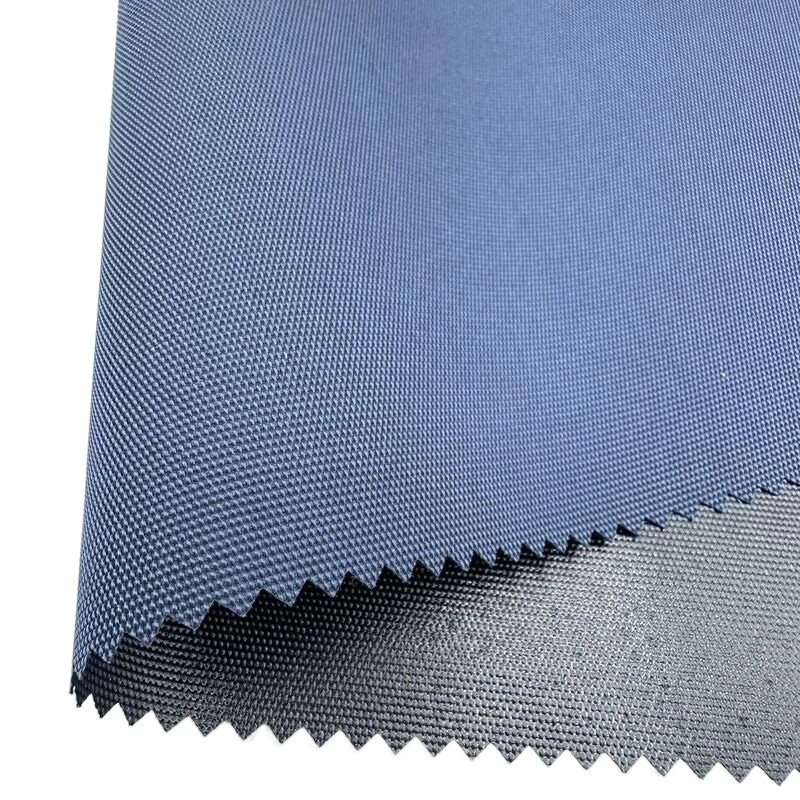
If you're interested in purchasing our 500d oxford fabric for printing or have any questions about the printing process, we encourage you to reach out to us for a detailed discussion. We look forward to the opportunity to collaborate with you and help you bring your creative ideas to life.
References
- "Textile Printing: Principles and Practice" by Subramanian S. M.
- "Handbook of Textile and Industrial Dyeing" edited by Christopher C. Cooke.