

Can 400d oxford fabric resist tearing?
Sep 05, 2025
Leave a message
As a supplier of 400D Oxford fabric, I often receive inquiries from customers about the fabric's resistance to tearing. This is a crucial concern, especially for those who plan to use the fabric in high-stress applications such as outdoor equipment, bags, and tents. In this blog post, I'll delve into the factors that determine the tear resistance of 400D Oxford fabric and provide insights based on scientific knowledge and practical experience.
Understanding 400D Oxford Fabric
Before we discuss tear resistance, let's first understand what 400D Oxford fabric is. The "400D" refers to the denier of the fabric. Denier is a unit of measurement that indicates the fineness of a fiber or yarn. Specifically, it represents the weight in grams of 9,000 meters of the fiber or yarn. A higher denier number means a thicker and stronger yarn.
400D Oxford fabric is made by weaving these 400-denier yarns in a specific pattern known as the Oxford weave. This weave creates a fabric with a smooth, flat surface and a relatively tight structure. The fabric is commonly made from polyester, which is known for its durability, strength, and resistance to abrasion and chemicals.
Factors Affecting Tear Resistance
Several factors contribute to the tear resistance of 400D Oxford fabric:
Yarn Strength
As mentioned earlier, the denier of the yarn plays a significant role in determining the fabric's strength. A 400D yarn is thicker and stronger than lower-denier yarns, which generally translates to better tear resistance. However, the quality of the yarn also matters. High-quality polyester yarns are made from better raw materials and undergo more precise manufacturing processes, resulting in stronger and more consistent yarns.
Weave Structure
The Oxford weave used in 400D Oxford fabric is designed to provide a good balance of strength and flexibility. The tight interlacing of the yarns in the weave helps to distribute stress evenly across the fabric, reducing the likelihood of tears. Additionally, the weave pattern can affect the fabric's ability to resist tearing in different directions. For example, a fabric with a more balanced weave will have similar tear resistance in both the warp (lengthwise) and weft (crosswise) directions.
Coating and Treatments
Many 400D Oxford fabrics are coated or treated to enhance their performance. For example, a water-resistant coating can be applied to the fabric to make it suitable for outdoor use. These coatings can also improve the fabric's tear resistance by adding an extra layer of protection. Some treatments, such as flame retardants or anti-microbial agents, may not directly affect tear resistance but can still contribute to the overall durability of the fabric.
Fabric Thickness
The thickness of the fabric also influences its tear resistance. Generally, a thicker fabric will be more resistant to tearing than a thinner one. However, this is not always the case, as the quality of the yarn and the weave structure also play important roles. A thin but high-quality 400D Oxford fabric with a tight weave may have better tear resistance than a thicker fabric with a lower-quality yarn or a looser weave.
Testing Tear Resistance
To accurately assess the tear resistance of 400D Oxford fabric, standardized testing methods are used. One common method is the Elmendorf tear test, which measures the force required to propagate a tear in the fabric. In this test, a specimen of the fabric is clamped in a tester, and a pendulum is released to tear the fabric. The energy absorbed by the fabric during the tear is measured, and the tear strength is calculated based on this energy.
Another method is the tongue tear test, which involves cutting a small slit in the fabric and then pulling the two sides of the slit apart to measure the force required to continue the tear. This test is particularly useful for evaluating the tear resistance of fabrics in real-world applications, where tears often start from small cuts or punctures.
Real-World Performance
In real-world applications, 400D Oxford fabric generally performs well in terms of tear resistance. It is commonly used in outdoor equipment such as backpacks, tents, and sleeping bags, where it is subjected to a variety of stresses, including pulling, stretching, and abrasion. The fabric's tear resistance allows these products to withstand the rigors of outdoor use and last for a long time.
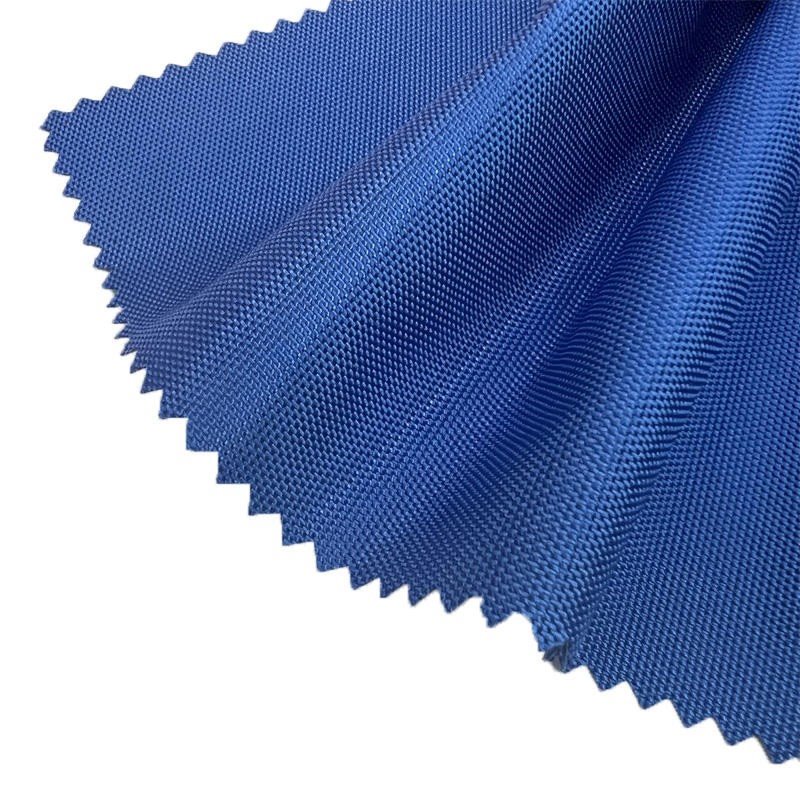
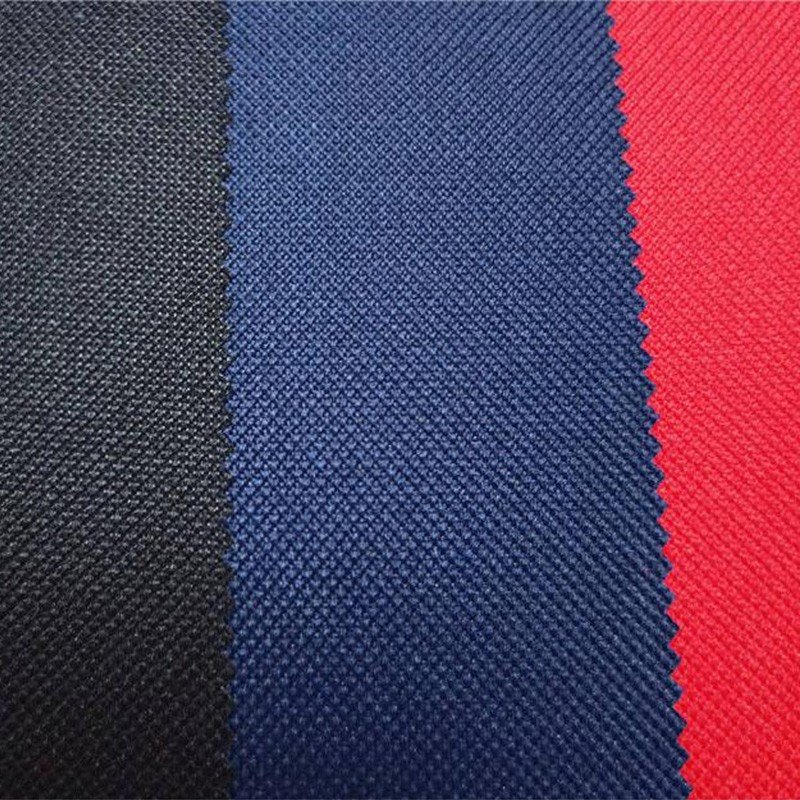
However, it's important to note that no fabric is completely tear-proof. The tear resistance of 400D Oxford fabric can be affected by factors such as the severity of the stress, the presence of sharp objects, and the frequency of use. For example, if a backpack made from 400D Oxford fabric is repeatedly dragged over rough surfaces or caught on a sharp rock, it may eventually develop a tear.
Comparing with Other Fabrics
To better understand the tear resistance of 400D Oxford fabric, it's helpful to compare it with other fabrics. For example, 420D Oxford Cloth has a slightly higher denier than 400D Oxford fabric, which means it generally has better tear resistance. However, the difference in tear resistance may not be significant enough to justify the higher cost in some applications.
On the other hand, 400D*250D Water Resistant Oxford Fabric combines 400D and 250D yarns, which can result in a fabric with a different balance of strength and flexibility. This fabric may have lower tear resistance than pure 400D Oxford fabric in some areas, but it may also be lighter and more flexible, making it suitable for different applications.
Another comparison can be made with 420D Polyester Suit Fabric. While this fabric is also made from polyester and has a similar denier, its intended use is different. Suit fabric is designed to be more comfortable and breathable, which may result in a looser weave and lower tear resistance compared to 400D Oxford fabric used for outdoor applications.
Conclusion
In conclusion, 400D Oxford fabric generally has good tear resistance due to its relatively thick yarns, tight weave structure, and the use of high-quality polyester. However, its tear resistance can be affected by various factors, and no fabric is completely tear-proof. When choosing a fabric for a specific application, it's important to consider the expected stresses and requirements, and to test the fabric's tear resistance using appropriate methods.
If you're in the market for 400D Oxford fabric or have questions about its tear resistance and other properties, I encourage you to contact me for more information. I'm happy to provide samples, technical data, and advice to help you make the right choice for your project. Let's start a conversation and find the perfect fabric solution for your needs.
References
- ASTM D1424 - Standard Test Method for Tearing Strength of Fabrics by Falling-Pendulum (Elmendorf) Apparatus
- ASTM D5587 - Standard Test Method for Tearing Strength of Woven Fabrics by Tongue (Single Rip) Procedure