

Can 300d oxford fabric be used for making tents?
Sep 30, 2025
Leave a message
Can 300d Oxford Fabric Be Used for Making Tents?
As a supplier of 300d Oxford fabric, I've been frequently asked whether this type of fabric is suitable for tent production. In this blog, I'll delve into the characteristics of 300d Oxford fabric and analyze its viability for tent - making.
Understanding 300d Oxford Fabric
The "300d" in 300d Oxford fabric refers to the denier, which is a unit of measurement for the linear mass density of fibers. A 300 - denier fabric means that 9000 meters of the fiber weighs 300 grams. Generally, a higher denier indicates a thicker and often stronger fabric.
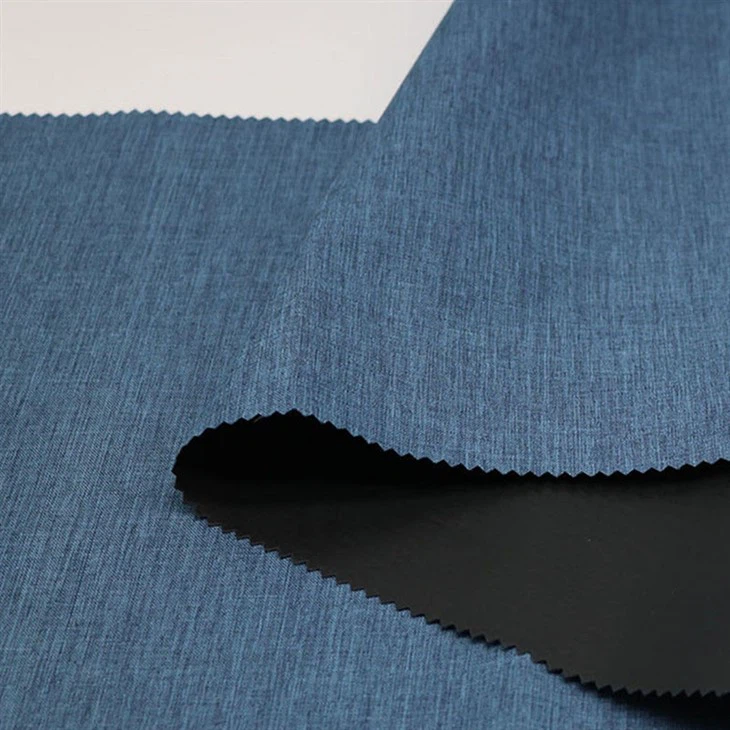

300d Oxford fabric is typically made from polyester or nylon. Polyester 300d Oxford fabric, such as the 300D Polyester Fabric, is known for its durability, resistance to abrasion, and low cost. It doesn't absorb water easily, which is a crucial property for outdoor applications. Nylon 300d Oxford fabric, on the other hand, is lighter and has better tear - resistance compared to its polyester counterpart, but it is usually more expensive.
Advantages of Using 300d Oxford Fabric for Tents
- Strength and Durability
One of the primary requirements for tent fabric is strength. 300d Oxford fabric offers a good balance between weight and strength. It can withstand the stresses of being pitched, taken down, and moved around. During normal use, it can resist minor abrasions from contact with rocks, branches, or the ground. For example, if you are camping in a forested area, the fabric can endure being rubbed against tree trunks or dragged across the uneven ground without getting easily damaged. - Water Resistance
Most 300d Oxford fabrics are treated with a water - repellent coating. This coating prevents water from seeping through the fabric, keeping the interior of the tent dry during light to moderate rain. Some high - quality 300d Oxford fabrics, like the 300D*250D Coated Oxford Fabric, have a waterproof rating that makes them suitable for camping in various weather conditions. The water - resistant property also helps in preventing the growth of mold and mildew, which can damage the fabric over time. - Lightweight
Compared to heavier fabrics, 300d Oxford fabric is relatively lightweight. This is an important factor for backpackers and hikers who need to carry their tents over long distances. A lighter tent means less weight to carry, which can significantly reduce fatigue during a multi - day trek. Even for car campers, a lightweight tent is easier to set up and transport. - Cost - Effectiveness
300d Oxford fabric is generally more affordable than some other high - end tent fabrics. This makes it an attractive option for budget - conscious consumers. Tent manufacturers can use 300d Oxford fabric to produce cost - effective tents without sacrificing too much on quality. This allows them to offer a wider range of products at different price points, making tents more accessible to a larger customer base.
Limitations of Using 300d Oxford Fabric for Tents
- Wind and Extreme Weather Resistance
While 300d Oxford fabric is strong enough for normal camping conditions, it may not be the best choice for extreme weather. In high - wind situations, the fabric may not provide enough stability, and there is a risk of the tent being damaged or even blown away. Similarly, in heavy snowfall, the fabric may not be able to support the weight of the snow, leading to the collapse of the tent. - Breathability
Some 300d Oxford fabrics may lack breathability. When used in a tent, this can cause condensation to build up inside the tent. Condensation can make the interior of the tent damp and uncomfortable, and it can also lead to the growth of mold if not properly addressed. However, some manufacturers are now using special treatments or fabric weaves to improve the breathability of 300d Oxford fabric.
Comparing 300d Oxford Fabric with Other Tent Fabrics
- 210T Oxford Fabric
The 210T Oxford Fabric is another popular choice for tent making. The "210T" refers to the thread count, which is the number of threads per square inch. 210T Oxford fabric is lighter than 300d Oxford fabric, making it a great option for ultralight backpacking tents. However, it is also less durable and may not be as water - resistant as 300d Oxford fabric. So, if you are looking for a tent for more rugged camping, 300d Oxford fabric would be a better choice. - Higher - Denier Fabrics
Fabrics with a higher denier, such as 600d or 1000d Oxford fabric, are much stronger and more durable than 300d Oxford fabric. They are better suited for extreme weather conditions and heavy - duty use. However, they are also heavier and more expensive. For most casual campers who don't need to deal with extreme conditions, 300d Oxford fabric offers a good compromise between performance and cost.
Applications of 300d Oxford Fabric in Tent Making
- Backpacking Tents
For backpackers, weight is a critical factor. 300d Oxford fabric provides a good balance of strength and weight, making it a popular choice for backpacking tents. These tents need to be lightweight enough to carry on long hikes but also durable enough to withstand the rigors of the outdoors. - Family Camping Tents
Family camping tents are often larger and need to be durable to accommodate multiple people and their gear. 300d Oxford fabric can provide the necessary strength and water resistance at a reasonable cost. It can also be printed with various colors and patterns, making the tents more visually appealing. - Event Tents
Event tents, such as those used for outdoor festivals or small gatherings, also benefit from the use of 300d Oxford fabric. The fabric can be easily customized with logos or branding, and its water - resistant properties ensure that the event can continue even in light rain.
Conclusion
In conclusion, 300d Oxford fabric can definitely be used for making tents. It offers a range of advantages, including strength, water resistance, lightweight, and cost - effectiveness. While it has some limitations, especially in extreme weather conditions, it is a suitable choice for most casual camping applications. Whether you are a backpacker, a family camper, or an event organizer, 300d Oxford fabric can meet your tent - making needs.
If you are interested in purchasing 300d Oxford fabric for tent production or other applications, feel free to contact us for more information. We can provide samples and discuss your specific requirements to ensure that you get the best fabric for your needs.
References
- Textile Research Journal. Various issues on fabric properties and applications.
- Outdoor Gear Lab. Reviews and tests on different tent fabrics.
- Camping and Hiking Magazines. Articles on tent materials and their performance.