

How does twill oxford feel when it's wet?
Jan 14, 2026
Leave a message
Twill oxford, a fabric known for its durability and classic appearance, is a staple in many industries, from fashion to outdoor gear. As a twill oxford supplier, I've had extensive experience with this remarkable material and have often pondered how it feels when wet. In this blog post, I'll share my insights based on hands - on experience and scientific understanding.
Physical Structure of Twill Oxford
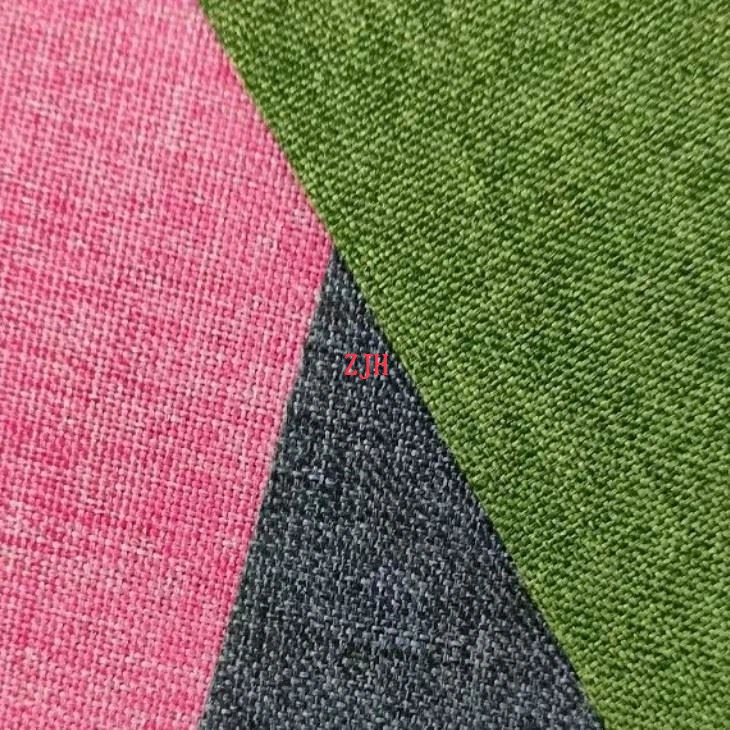
Before delving into how twill oxford feels when wet, it's essential to understand its physical structure. Twill oxford is a type of woven fabric. The twill weave is characterized by a distinct diagonal pattern created by passing the weft yarn over one or more warp yarns in a regular sequence. This gives the fabric a stronger and more durable structure compared to some other weaves.
The oxford part of the name comes from the fact that it often uses a combination of different yarn counts and types. Typically, the warp yarns are finer and more tightly packed, while the weft yarns are coarser. This combination results in a fabric with a slightly textured surface, which contributes to its unique feel.
Initial Contact with Water
When twill oxford first comes into contact with water, the immediate sensation is a coolness. Water has a high specific heat capacity, meaning it can absorb a significant amount of heat from the fabric and the surrounding environment. As the water molecules start to penetrate the fabric's fibers, they displace the air that was previously trapped within the weave. This displacement leads to a change in the fabric's thermal conductivity, making it feel cooler to the touch.
The fabric also begins to lose its initial stiffness. Dry twill oxford has a certain crispness due to the structure of the weave and the natural stiffness of the fibers. However, as water seeps in, the fibers become more pliable. This is because water acts as a lubricant between the individual fibers, allowing them to move more freely relative to one another.
Absorption and Saturation
Twill oxford has a relatively high absorbency rate. The porous nature of the twill weave allows water to be drawn into the fabric through capillary action. As the fabric absorbs water, it starts to feel heavier. The additional weight can be quite noticeable, especially if a large area of the fabric gets wet.
The texture of the fabric also changes during the absorption process. It becomes smoother as the water fills in the small gaps between the fibers. The diagonal twill pattern may become less distinct as the fabric swells slightly. At this stage, the fabric feels damp and clingy. It may stick to the skin or other surfaces it comes into contact with, which can be uncomfortable in some situations.
As the fabric approaches saturation, it reaches a point where it can no longer absorb more water. At this stage, the twill oxford feels extremely heavy and sodden. It has lost much of its original shape and drape. The fibers are fully expanded, and the fabric may feel almost like a wet sponge.
How Different Types of Twill Oxford React
Not all twill oxford fabrics are created equal. Different fiber compositions and finishes can significantly affect how the fabric feels when wet.
For example, a twill oxford made from natural fibers like cotton will absorb water more readily than a synthetic - based one. Cotton fibers have a high affinity for water molecules, and they can hold a large amount of water relative to their weight. When wet, cotton twill oxford will feel soft and plush, but it will also take longer to dry. The wet cotton may also develop a musty smell if left damp for too long.
On the other hand, a twill oxford made from polyester or a polyester - cotton blend will have different characteristics. Polyester is a hydrophobic fiber, meaning it repels water to some extent. A polyester - based twill oxford will not absorb as much water as a pure cotton one. Instead, the water may bead up on the surface of the fabric. When wet, it will feel less heavy and may dry more quickly. However, it may also feel slicker and less natural compared to cotton.
Impact of Wet Twill Oxford on Comfort
The comfort level of wearing wet twill oxford depends on several factors. In hot and humid conditions, the coolness of the wet fabric can be initially refreshing. It can help to lower the body temperature and provide some relief from the heat. However, as the fabric remains wet, the clinginess and heaviness can become a nuisance. It may restrict movement and cause chafing, especially if the fabric rubs against the skin.
In cold conditions, wet twill oxford can be a serious problem. The high thermal conductivity of the wet fabric means that it will quickly draw heat away from the body, increasing the risk of hypothermia. The dampness can also make the wearer feel uncomfortable and may lead to skin irritation.
Drying Process
As the twill oxford starts to dry, the changes in feel are just as significant as when it got wet. As the water evaporates, the fabric begins to regain its stiffness. The fibers start to contract and return to their original positions. The diagonal twill pattern becomes more distinct again, and the fabric gradually regains its shape and drape.
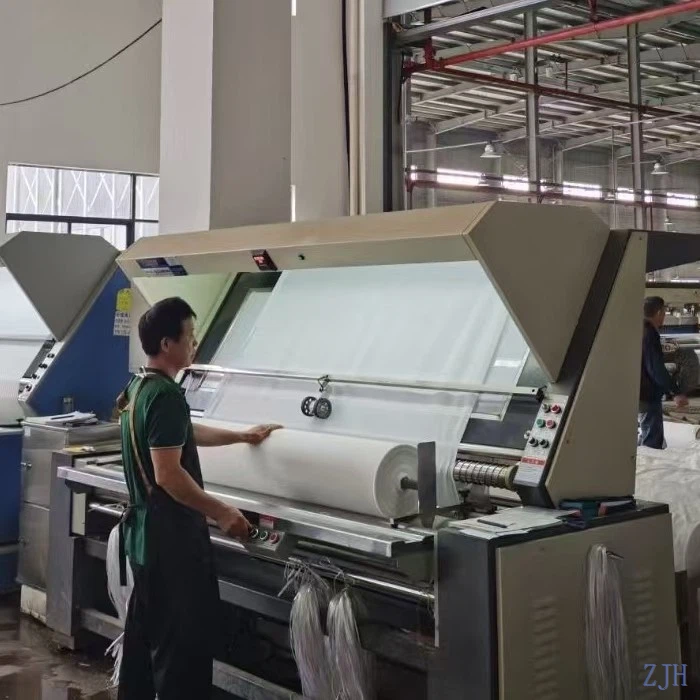
The drying time depends on several factors, including the fiber composition, the thickness of the fabric, and the environmental conditions. A thin, polyester - based twill oxford may dry in a matter of hours, while a thick, cotton - heavy one could take days, especially in a humid environment.
Our Product Range
At our company, we offer a wide variety of twill oxford fabrics to meet different needs. Our 210T Oxford Fabric is a lightweight option that is great for applications where breathability and quick drying are important. It has a relatively low absorbency, so it won't feel overly heavy when wet and will dry quickly.
For those looking for a more durable and stylish option, our 300D Imitation Linen Fabric For Computer Bags is an excellent choice. It has a unique texture that mimics the look of linen, and it can withstand a fair amount of moisture without losing its shape.
Our 300D Polyester Undyed Fabric is a versatile option that can be customized according to your needs. The polyester content makes it resistant to water and quick - drying, while the undyed nature allows for easy dyeing and printing.
Contact for Procurement
If you're interested in learning more about our twill oxford fabrics or would like to discuss a potential procurement, we'd love to hear from you. Whether you're in the fashion industry, outdoor gear manufacturing, or any other field that requires high - quality fabrics, we have the products and expertise to meet your needs.
References
- Textile Science and Technology: An Introduction to the Structure, Manufacture, and Performance of Woven Fabrics. By Peter Lord and Mohamed Mohamed.
- The Handbook of Fiber Science and Technology. Edited by Menachem Lewin and Eli M. Pearce.